Blog

  • Human And Robot Handshake Symbolizing Trust In Digital Future

    Human And Robot Handshake Symbolizing Trust In Digital Future

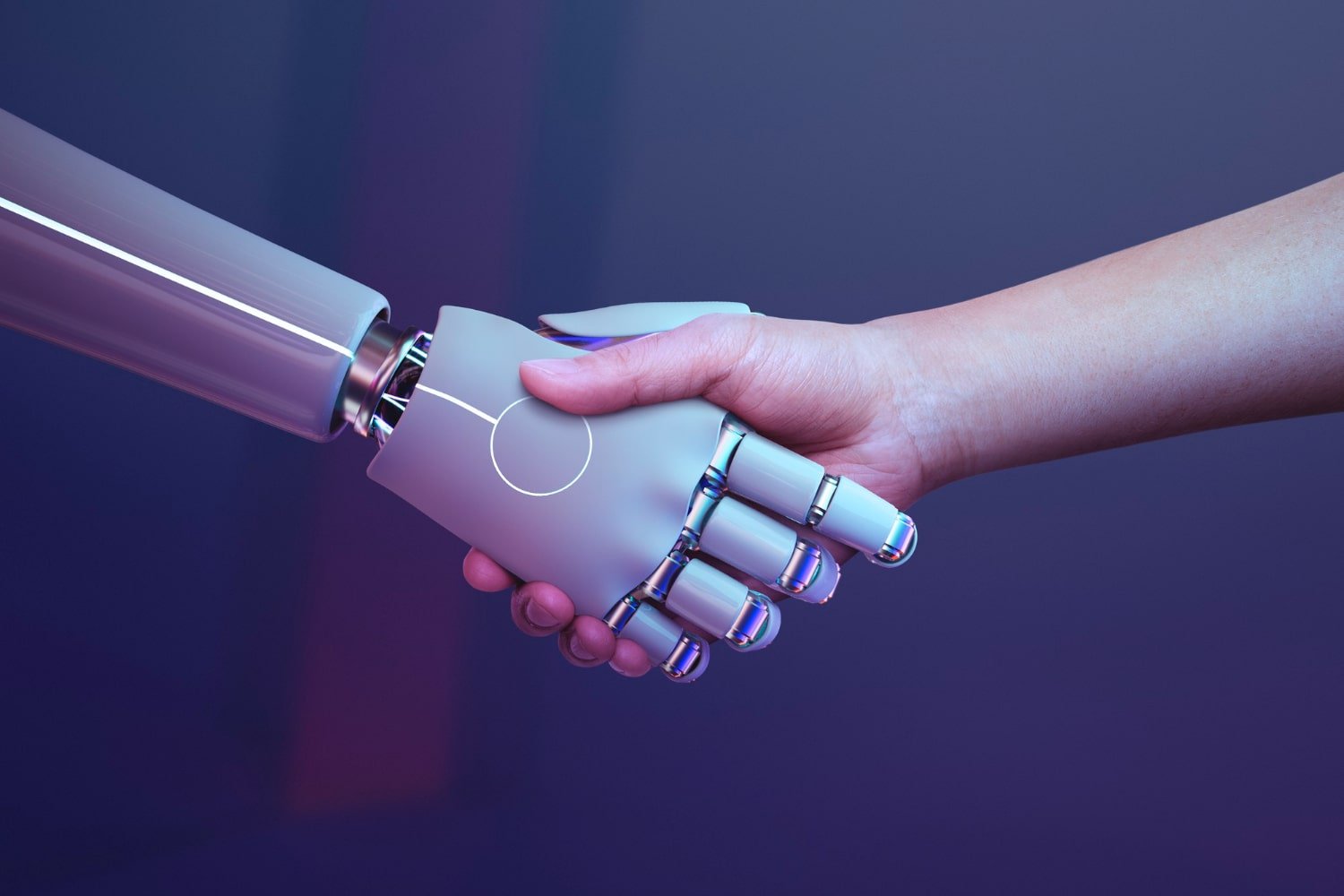
    Few images capture the essence of our times as effectively as the handshake between a human and a robot. This symbolic gesture embodies trust, collaboration, and the merging of human intelligence with artificial innovation. In the age of rapid digital transformation, such imagery highlights not just the progress of technology but also its relationship with people.

    The handshake has always been a universal symbol of partnership, understanding, and mutual respect. When extended to the relationship between humans and robots, it takes on even greater meaning. It represents the blending of human creativity and emotional intelligence with the precision, speed, and efficiency of machines. Rather than suggesting competition, the handshake signals cooperation—reminding us that technology is most powerful when it enhances human potential.

    In the digital age, artificial intelligence (AI) and robotics are no longer science fiction—they are part of everyday life. From voice assistants to factory automation, from healthcare diagnostics to financial forecasting, intelligent machines now work alongside humans in countless industries. The handshake image reflects this integration, symbolizing a future where humans and machines complement each other instead of existing in opposition.

    Futuristic visuals like this also raise important questions. How do we build trust in machines? How do we ensure that technology serves humanity ethically, transparently, and inclusively? These are pressing concerns as AI systems make increasingly complex decisions in areas like hiring, policing, and medicine. The handshake image serves as both an optimistic vision and a reminder of the responsibilities we carry in shaping this future.

    The background of futuristic digital elements enhances the symbolism. Circuit patterns, holograms, and glowing lights represent the technological backbone of modern society. Together with the handshake, the imagery conveys the idea of partnership within progress—an agreement between humanity and technology to move forward together.

    Culturally, such imagery has significant influence. It inspires confidence in technological advancement, encouraging people to embrace change rather than fear it. It also sparks curiosity, especially among younger generations, about careers in robotics, AI, and digital innovation. In many ways, the handshake image isn’t just about technology—it’s about hope, collaboration, and the shaping of a better future.

    Ultimately, the human-robot handshake is a metaphor for the digital era we are living in. It reminds us that while machines may be intelligent, it is human vision, empathy, and creativity that will guide their use. The true future of technology lies not in replacing humanity but in empowering it.


  • Cozy Living Room Interior With Armchair, Books, And Plants

    Cozy Living Room Interior With Armchair, Books, And Plants

    A living room is more than a functional space—it is the heart of the home, a place where comfort and style come together to create an inviting environment. The image of a cozy fabric armchair, paired with books and plants against a soft yellow wall background, perfectly illustrates how thoughtful interior design can transform a simple room into a sanctuary of warmth and relaxation.

    The fabric armchair is the focal point of this composition. Comfortable seating is essential for any living space, and fabric chairs are known for their warmth, texture, and timeless appeal. Unlike leather or metal seating, fabric armchairs bring softness and coziness, encouraging people to sit back, read a favorite book, or enjoy a quiet cup of tea. Choosing the right color and fabric adds personality to the room, making it a statement piece as well as a functional one.

    Books placed within the scene add depth and charm. They represent knowledge, imagination, and personal taste, instantly giving the space a lived-in and welcoming feeling. A book-filled corner is more than decoration—it’s an invitation for relaxation and inspiration. Whether it’s a few carefully chosen novels or a stack of coffee table books, this element makes the room feel personal and expressive.

    Plants complete the composition with natural beauty. Indoor greenery has become a cornerstone of modern interior design, not only for its visual appeal but also for its health benefits. Plants improve air quality, reduce stress, and create a calming atmosphere. Against the yellow wall, the green tones pop beautifully, offering contrast and vibrancy that enlivens the entire space.

    The yellow background adds a cheerful and uplifting touch. Yellow is a color often associated with warmth, optimism, and creativity. It brightens the room, making it feel larger and more inviting, while providing a neutral backdrop for furniture and accessories to stand out. Combined with the earthy tones of the armchair and the freshness of the plants, it creates a balanced, harmonious palette.

    Together, the armchair, books, plants, and yellow wall symbolize a lifestyle centered around comfort, creativity, and balance. This arrangement showcases how even minimal furniture and accessories, when thoughtfully placed, can create a warm and functional space.

    Ultimately, this design reminds us that a living room does not need extravagant décor to feel luxurious. With just a few key elements—cozy seating, a personal touch through books, a connection to nature with plants, and a thoughtful color scheme—anyone can create a space that feels welcoming, stylish, and uniquely their own.

  • The Future of Work Enhanced by Artificial Intelligence and Automation

    The Future of Work Enhanced by Artificial Intelligence and Automation

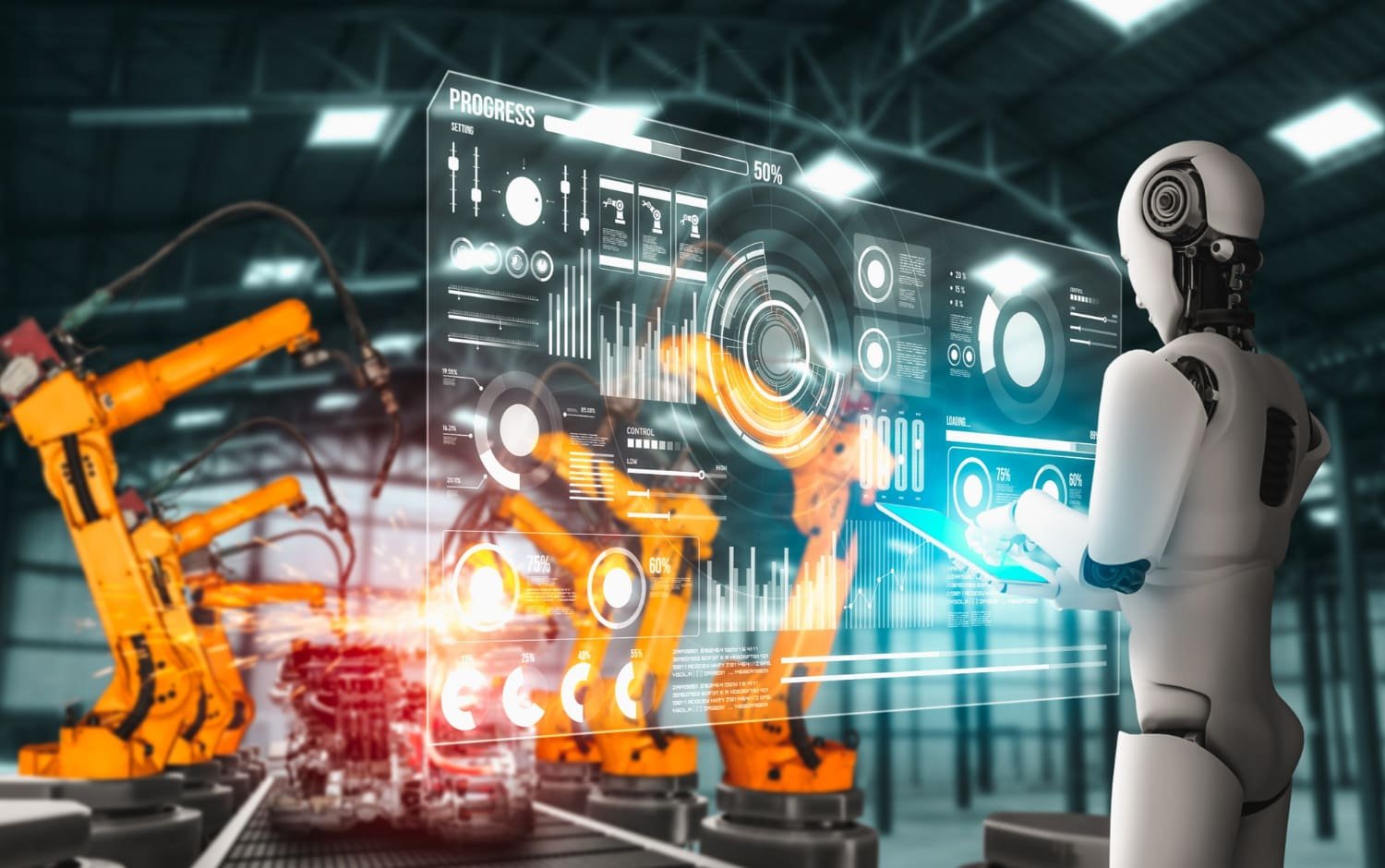
    Artificial Intelligence and automation are reshaping the workplace, bringing both opportunities and challenges. From streamlining operations to augmenting human skills, these technologies are redefining how businesses function and how people work.

    AI automates repetitive tasks, freeing employees to focus on creative and strategic work. In industries like logistics, AI manages supply chains and demand forecasting, while in finance, algorithms handle transactions and fraud detection.

    Collaboration between humans and AI is becoming common. AI tools assist doctors with diagnoses, support engineers in design, and help marketers analyze consumer behavior. Instead of replacing workers, AI often enhances their productivity.

    Remote work also benefits from AI. Tools optimize virtual meetings, analyze team productivity, and provide smart scheduling, making hybrid workplaces more efficient.

    Concerns exist, particularly around job displacement. However, history shows technology often creates new opportunities while eliminating outdated roles. The focus should be on reskilling and preparing workers for AI-driven industries.

    Ultimately, the future of work will not be AI versus humans, but AI alongside humans. By embracing automation responsibly, businesses can unlock efficiency while ensuring workers thrive in a rapidly evolving world.

  • How Generative AI Tools Reshape Creativity in Design and Content

    How Generative AI Tools Reshape Creativity in Design and Content

    Generative AI is transforming creativity by helping designers, writers, and content creators produce innovative work faster than ever before. Unlike traditional AI, which focuses on analysis, generative models create entirely new material—artwork, music, code, or text—based on learned patterns.

    In design, AI tools generate prototypes, layouts, and branding concepts within minutes. Artists use generative models to explore styles, experiment with color palettes, or develop unique digital artwork. Content creators benefit from AI that drafts articles, scripts, or marketing copy, speeding up workflows.

    Generative AI also plays a role in entertainment. Musicians use it to compose melodies, while filmmakers generate visual effects or storyboards. Even architects leverage AI to design buildings optimized for energy efficiency and aesthetic appeal.

    However, questions of originality and ethics remain. Critics argue that generative AI may devalue human creativity or plagiarize existing works. Ensuring transparency in datasets and recognizing human oversight are essential.

    Despite these debates, generative AI empowers creators by removing repetitive tasks and offering endless inspiration. It doesn’t replace creativity—it enhances it, opening new possibilities for innovation across industries.

  • Machine Learning Driving Innovation Across Industries With Smarter Predictive Analytics

    Machine Learning Driving Innovation Across Industries With Smarter Predictive Analytics

    Machine learning (ML), a subset of AI, is transforming industries by enabling smarter predictive analytics. By analyzing patterns in vast datasets, ML algorithms can forecast outcomes with incredible accuracy, driving innovation in business, healthcare, finance, and beyond.

    In retail, ML analyzes customer behavior to predict purchasing trends. This helps companies optimize inventory, personalize recommendations, and increase sales. In healthcare, predictive models forecast disease risks and patient outcomes, allowing earlier interventions.

    Financial institutions use ML for fraud detection. By spotting unusual transaction patterns, algorithms flag risks faster than traditional systems, protecting both businesses and customers. Meanwhile, in manufacturing, predictive maintenance uses ML to identify equipment failures before they occur, saving costs and preventing downtime.

    What makes ML powerful is its adaptability. Algorithms continuously learn and improve from new data, becoming more accurate over time. Combined with automation, ML reduces human error while increasing efficiency.

    Despite the benefits, challenges remain. Poor-quality data can lead to inaccurate predictions, while complex algorithms often lack transparency. Ethical guidelines and explainable AI frameworks are crucial to building trust.

    Machine learning is no longer just a technical concept—it’s a practical tool shaping the future. As predictive analytics expand, industries will continue unlocking innovation through the power of ML.

  • Artificial Intelligence Transforming Healthcare Through Smarter Diagnostic Tools Worldwide

    Artificial Intelligence Transforming Healthcare Through Smarter Diagnostic Tools Worldwide

    Artificial Intelligence (AI) is redefining healthcare by improving accuracy, efficiency, and accessibility of diagnostic tools. Traditionally, doctors relied on experience, manual tests, and limited data to make decisions. Now, AI-powered systems analyze vast amounts of information in seconds, providing precise insights that save lives.

    AI-driven imaging is one major advancement. Tools can detect tumors, fractures, or anomalies in X-rays, MRIs, and CT scans faster and often more accurately than human radiologists. By flagging potential issues early, doctors can intervene before conditions worsen.

    Another breakthrough lies in predictive analytics. AI models analyze patient histories, lab results, and genetic information to forecast risks like diabetes, heart disease, or cancer. Personalized treatment plans can then be developed, ensuring better outcomes for patients.

    Chatbots and virtual health assistants are also transforming patient care. These tools answer questions, schedule appointments, and guide patients through treatments, reducing the burden on medical staff while improving accessibility.

    Despite the benefits, challenges remain. Ethical concerns, data privacy, and the risk of over-reliance on technology must be addressed. Human oversight remains essential, ensuring AI complements rather than replaces medical expertise.

    The integration of AI into healthcare is not just about technology—it’s about creating a future where care is more accurate, affordable, and accessible for everyone.

  • Home Office Design Ideas Boosting Productivity with Comfort and Style

    Home Office Design Ideas Boosting Productivity with Comfort and Style

    As remote work becomes more common, home offices play a vital role in productivity and well-being. Designing a space that balances comfort, style, and efficiency ensures you stay motivated throughout the day.

    Start with location. A quiet corner or dedicated room helps minimize distractions. Invest in ergonomic furniture: adjustable chairs, supportive desks, and proper lighting prevent fatigue and discomfort.

    Color choices influence focus. Soft blues and greens promote calm, while neutrals provide balance. Add personality with artwork, motivational quotes, or plants that refresh the air and reduce stress.

    Organization is critical. Use shelving, filing systems, or cable management solutions to maintain order. A clutter-free environment supports concentration and creativity.

    Technology should be integrated seamlessly. Reliable Wi-Fi, noise-canceling headphones, and video conferencing tools ensure efficiency. Smart lighting or standing desks add flexibility for long work hours.

    Most importantly, balance function with comfort. Include cozy details like throws, decorative accents, or natural light to make the office inviting. A well-designed home office improves not only productivity but also overall quality of life.

  • Delicious Dessert Recipes Satisfying Sweet Cravings with Homemade Goodness

    Delicious Dessert Recipes Satisfying Sweet Cravings with Homemade Goodness

    Desserts bring joy to meals, offering a sweet finish that lingers in memory. From decadent cakes to refreshing fruit treats, homemade desserts transform ordinary days into special occasions.

    Chocolate cake remains a classic favorite, rich and indulgent. Variations like flourless chocolate torte or molten lava cake add sophistication for dinner parties. For lighter options, fruit-based desserts like berry parfaits or baked apples with cinnamon satisfy without being overly heavy.

    Cookies and brownies are perfect for sharing. Whether chewy chocolate chip, oatmeal raisin, or fudgy brownies, these recipes bring comfort and nostalgia. Baking with children makes desserts a fun family activity.

    International desserts expand your palate. French crème brûlée with its caramelized top, Italian tiramisu layered with espresso-soaked ladyfingers, and Indian gulab jamun soaked in syrup highlight global culinary traditions.

    Homemade desserts allow customization—adjusting sugar levels, experimenting with flavors, or using seasonal ingredients. Health-conscious bakers can substitute whole grains, natural sweeteners, or dairy alternatives while preserving taste.

    Desserts are more than food; they’re celebrations of creativity and togetherness. With the right recipes, every sweet craving becomes an opportunity to create happiness at home.

  • Comforting Soup Recipes Perfect for Cozy Evenings and Family Dinners

    Comforting Soup Recipes Perfect for Cozy Evenings and Family Dinners

    Soup has a timeless appeal, offering warmth, nourishment, and comfort. Whether it’s a simple broth or a hearty stew, soups bring families together and provide endless culinary creativity.

    Chicken noodle soup remains a favorite, soothing with its savory broth, tender chicken, and vegetables. Cream-based soups like broccoli cheddar or potato leek create rich, filling meals that pair beautifully with crusty bread.

    International flavors expand the possibilities. Vietnamese pho delivers fragrant spices and rice noodles, while Italian minestrone highlights seasonal vegetables. Indian lentil soup, or dal, offers protein-rich warmth with aromatic spices.

    Making soup at home allows flexibility and resourcefulness. Leftover vegetables, grains, or proteins can be repurposed into flavorful broths, reducing food waste. Slow cookers or pressure cookers simplify the process, allowing soups to simmer with minimal effort.

    Beyond taste, soups provide health benefits. Broth-based varieties hydrate, while ingredients like garlic, ginger, and leafy greens boost immunity. Adding beans or lentils increases protein and fiber, making soups both filling and nourishing.

    For family dinners or solo comfort, soup remains a versatile staple. With the right recipes, your kitchen becomes a source of warmth and connection.

  • Quick and Healthy Breakfast Recipes for Energizing Busy Mornings

    Quick and Healthy Breakfast Recipes for Energizing Busy Mornings

    Breakfast is often called the most important meal of the day, yet busy mornings can make it tempting to skip. The solution lies in quick and healthy recipes that fuel your body without taking too much time.

    Smoothies are a great option for those rushing out the door. Combining fruits, vegetables, and protein sources like Greek yogurt or nut butter creates a nutrient-packed meal in minutes. For variety, try green smoothies with spinach and pineapple or berry blends with oats and chia seeds.

    Overnight oats are another time-saver. Prepared the night before with rolled oats, milk, and toppings such as bananas, nuts, or cinnamon, they provide a satisfying breakfast ready to grab and go.

    For a heartier option, egg muffins baked with vegetables, cheese, or turkey sausage can be stored in the fridge for quick reheating. Whole-grain toast topped with avocado, tomato, and poached eggs delivers healthy fats and protein for long-lasting energy.

    Balanced breakfasts stabilize blood sugar, improve concentration, and set the tone for the rest of the day. With the right recipes, you can enjoy nutritious meals without sacrificing time or taste.