Category: Technology

  • Cybersecurity Challenges and Solutions in Today’s Connected Digital Era

    Cybersecurity Challenges and Solutions in Today’s Connected Digital Era

    The digital age has connected the world like never before, but this connectivity comes with growing cybersecurity risks. From ransomware attacks to phishing scams, individuals and organizations face constant threats that demand strong security strategies.

    Cybersecurity begins with understanding vulnerabilities. Personal data, financial records, and corporate secrets are prime targets for hackers. The rise of remote work has expanded risks, as employees access sensitive information through home networks and personal devices. This shift requires more robust defense mechanisms.

    Businesses increasingly adopt multi-layered security approaches. Firewalls, intrusion detection systems, and endpoint protection are standard, but the focus is shifting toward proactive solutions. Artificial Intelligence plays a key role by monitoring traffic patterns and identifying anomalies before they escalate into attacks.

    For individuals, basic digital hygiene is vital. Using strong, unique passwords, enabling two-factor authentication, and avoiding suspicious links can significantly reduce risks. Regular updates for software and devices are equally critical, as outdated systems often provide openings for cybercriminals.

    Governments and international organizations also contribute to cybersecurity by establishing regulations and promoting collaboration. Initiatives like GDPR emphasize data protection, while global cooperation helps track and dismantle cybercrime networks.

    Despite growing challenges, cybersecurity is not just about defense—it’s about resilience. Companies that invest in robust recovery plans, employee training, and secure technologies can minimize damage and maintain trust.

    In today’s connected world, cybersecurity is everyone’s responsibility. By combining awareness, technology, and collaboration, we can navigate digital risks while embracing the benefits of connectivity.


  • Blockchain Technology Revolutionizing Finance Beyond Cryptocurrency and Tokens

    Blockchain Technology Revolutionizing Finance Beyond Cryptocurrency and Tokens

    Blockchain is often associated with Bitcoin and cryptocurrency, but its potential extends far beyond digital coins. As a decentralized and transparent system, blockchain is revolutionizing industries by ensuring trust, security, and efficiency.

    In finance, blockchain enables faster and cheaper transactions. Traditional cross-border payments take days and involve high fees, but blockchain systems complete them within minutes. Smart contracts—self-executing agreements coded into the blockchain—eliminate intermediaries, reducing costs and risks.

    Outside finance, blockchain transforms supply chain management. Companies can track products from origin to consumer, ensuring authenticity and reducing fraud. This is especially important in industries like food, pharmaceuticals, and luxury goods, where trust and transparency matter most.

    Healthcare also benefits from blockchain’s secure data-sharing. Patient records can be stored on decentralized systems, accessible only by authorized professionals. This improves efficiency, reduces errors, and ensures patient privacy.

    Governments experiment with blockchain for digital identity systems and voting platforms. By reducing fraud and increasing transparency, blockchain strengthens democratic processes and enhances citizen trust.

    Despite its promise, challenges remain. Energy-intensive mining, regulatory uncertainty, and scalability issues need solutions before blockchain can achieve mainstream adoption. However, innovations like proof-of-stake and layer-2 networks address these concerns, making blockchain more sustainable and practical.

    Blockchain’s true power lies in its ability to build trust in a digital world. By combining decentralization, transparency, and security, it paves the way for new business models and societal change.

  • Internet of Things Connecting Devices for Smarter Homes and Cities

    Internet of Things Connecting Devices for Smarter Homes and Cities

    The Internet of Things (IoT) is transforming the way we interact with the physical world by connecting everyday objects to the internet. From smart homes to smart cities, IoT is making life more efficient, convenient, and intelligent.

    In smart homes, IoT devices like thermostats, lighting systems, and voice assistants give users control at their fingertips. These technologies not only provide comfort but also save energy by learning habits and adjusting automatically. Security systems with smart cameras and sensors add another layer of safety for households.

    On a larger scale, IoT powers smart cities. Sensors monitor traffic flow, reducing congestion and improving urban planning. Smart grids optimize energy use, while connected waste management systems make cities cleaner and more sustainable.

    Healthcare applications of IoT are equally transformative. Wearable devices monitor heart rate, sleep patterns, and physical activity, sending real-time data to doctors. This allows early intervention and personalized healthcare, improving patient outcomes.

    Industries leverage IoT for predictive maintenance, reducing downtime and saving costs. Connected machines in manufacturing provide valuable data for optimizing performance and ensuring safety. Agriculture benefits as well, with smart irrigation systems conserving water and improving crop yields.

    However, IoT also raises concerns about privacy and security. With billions of devices connected, safeguarding data becomes a critical challenge. Strong encryption, regular updates, and standardized regulations are essential for safe IoT adoption.

    The Internet of Things is no longer futuristic—it’s part of our daily reality. As connectivity expands, IoT will continue shaping smarter, more sustainable societies.

  • Cloud Computing Shaping Future Business Through Scalable Digital Infrastructure

    Cloud Computing Shaping Future Business Through Scalable Digital Infrastructure

    Cloud computing has transformed how businesses operate, offering scalable, cost-effective, and flexible digital infrastructure. Instead of relying on physical servers, organizations now access computing power, storage, and software through the cloud.

    One of the biggest advantages of cloud computing is scalability. Companies can adjust resources instantly based on demand, ensuring efficiency and cost savings. Startups benefit by accessing enterprise-level tools without heavy upfront investments.

    Collaboration also thrives in the cloud. Tools like Google Workspace and Microsoft 365 allow teams to share files and work together in real-time, no matter their location. This flexibility has become crucial in the era of remote and hybrid work.

    Data security, once seen as a drawback, is now a strength. Cloud providers invest heavily in encryption, firewalls, and compliance, offering protections often stronger than on-premise systems. Disaster recovery features also ensure business continuity in case of disruptions.

    Cloud computing is not limited to storage. Advanced services like Artificial Intelligence, analytics, and machine learning are delivered through cloud platforms, enabling innovation and faster decision-making.

    Challenges remain, such as dependence on internet connectivity, potential vendor lock-in, and compliance complexities across regions. However, multi-cloud strategies and evolving regulations are addressing these issues.

    Ultimately, cloud computing empowers businesses of all sizes to innovate, scale, and stay competitive. Its flexibility ensures it will remain a cornerstone of digital transformation in the years ahead.

  • Human And Robot Handshake Symbolizing Trust In Digital Future

    Human And Robot Handshake Symbolizing Trust In Digital Future

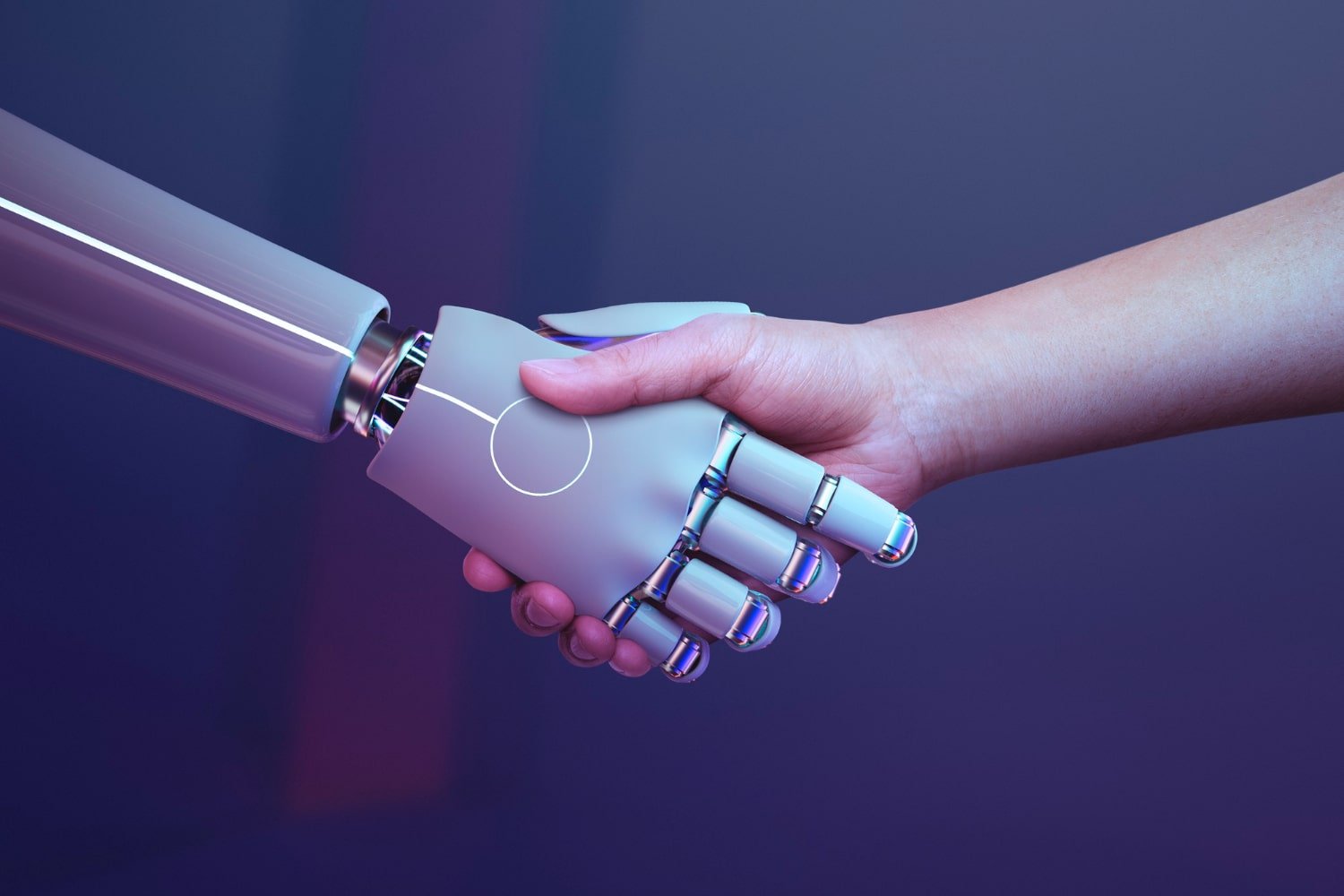
    Few images capture the essence of our times as effectively as the handshake between a human and a robot. This symbolic gesture embodies trust, collaboration, and the merging of human intelligence with artificial innovation. In the age of rapid digital transformation, such imagery highlights not just the progress of technology but also its relationship with people.

    The handshake has always been a universal symbol of partnership, understanding, and mutual respect. When extended to the relationship between humans and robots, it takes on even greater meaning. It represents the blending of human creativity and emotional intelligence with the precision, speed, and efficiency of machines. Rather than suggesting competition, the handshake signals cooperation—reminding us that technology is most powerful when it enhances human potential.

    In the digital age, artificial intelligence (AI) and robotics are no longer science fiction—they are part of everyday life. From voice assistants to factory automation, from healthcare diagnostics to financial forecasting, intelligent machines now work alongside humans in countless industries. The handshake image reflects this integration, symbolizing a future where humans and machines complement each other instead of existing in opposition.

    Futuristic visuals like this also raise important questions. How do we build trust in machines? How do we ensure that technology serves humanity ethically, transparently, and inclusively? These are pressing concerns as AI systems make increasingly complex decisions in areas like hiring, policing, and medicine. The handshake image serves as both an optimistic vision and a reminder of the responsibilities we carry in shaping this future.

    The background of futuristic digital elements enhances the symbolism. Circuit patterns, holograms, and glowing lights represent the technological backbone of modern society. Together with the handshake, the imagery conveys the idea of partnership within progress—an agreement between humanity and technology to move forward together.

    Culturally, such imagery has significant influence. It inspires confidence in technological advancement, encouraging people to embrace change rather than fear it. It also sparks curiosity, especially among younger generations, about careers in robotics, AI, and digital innovation. In many ways, the handshake image isn’t just about technology—it’s about hope, collaboration, and the shaping of a better future.

    Ultimately, the human-robot handshake is a metaphor for the digital era we are living in. It reminds us that while machines may be intelligent, it is human vision, empathy, and creativity that will guide their use. The true future of technology lies not in replacing humanity but in empowering it.

  • Emerging Technology Trends Reshaping Tomorrow’s Digital Innovation Landscape

    Emerging Technology Trends Reshaping Tomorrow’s Digital Innovation Landscape

    The technology industry evolves rapidly, with emerging trends continually redefining how we live and work. From artificial intelligence to quantum computing, these innovations are paving the way for tomorrow’s digital world.

    AI and machine learning remain dominant, powering smarter decision-making, automation, and personalization. Quantum computing, though still in its infancy, promises to solve complex problems in seconds that current computers could never achieve.

    5G connectivity is another game-changer. Its ultra-fast speeds and low latency enable innovations in autonomous vehicles, remote healthcare, and immersive augmented reality experiences. Combined with IoT, it will expand digital ecosystems and smart infrastructure.

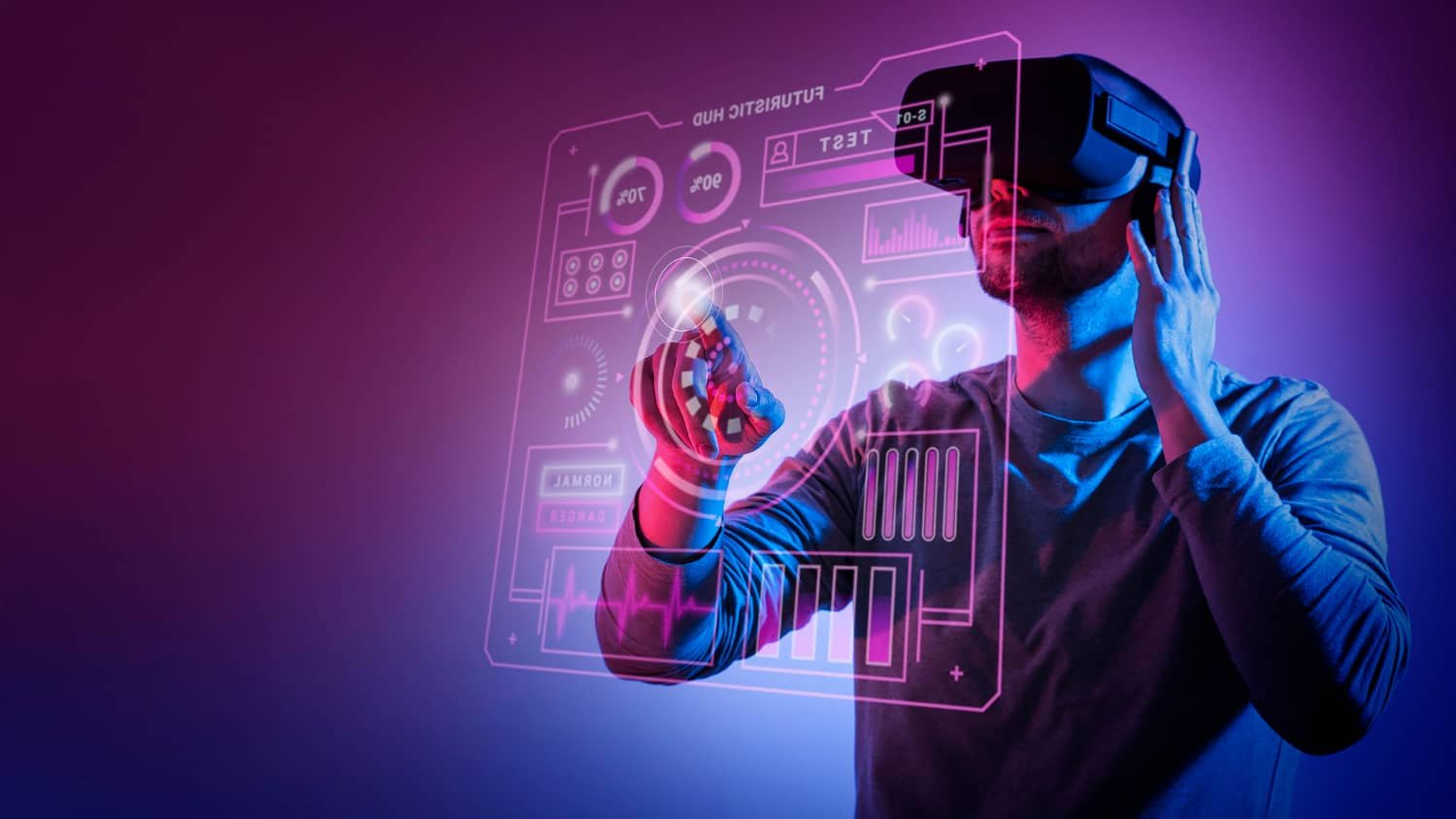
    Virtual Reality (VR) and Augmented Reality (AR) are reshaping entertainment, education, and training. From immersive gaming to medical simulations, these tools enhance learning and create new business opportunities.

    Green technology also rises in importance. With sustainability becoming a global priority, innovations in renewable energy, battery storage, and carbon capture are driving cleaner industries.

    The workplace of the future is another focus. Remote collaboration tools, AI-driven productivity apps, and cloud infrastructure are redefining how businesses function in an interconnected world.

    Despite the excitement, ethical concerns remain. Privacy, digital divides, and job displacement must be addressed to ensure technology benefits everyone. Governments, businesses, and communities play key roles in balancing innovation with responsibility.

    Emerging technology trends highlight one truth: the digital world never stands still. By embracing innovation while ensuring inclusivity, society can harness technology to create a smarter, more sustainable future.

  • AI-Powered Chatbots Revolutionizing Customer Service in Global Business Operations

    AI-Powered Chatbots Revolutionizing Customer Service in Global Business Operations

    Customer service has always been central to business success, and AI-powered chatbots are revolutionizing the way companies interact with clients. By combining natural language processing (NLP) with machine learning, chatbots can handle inquiries instantly, providing 24/7 support across industries.

    One of the biggest advantages is efficiency. Chatbots resolve routine questions—like order tracking, account details, or product information—freeing human agents to handle complex issues. This reduces wait times and improves customer satisfaction.

    AI chatbots also learn continuously. As they interact with more users, they refine responses, adapt to customer behavior, and provide more personalized experiences. This creates consistency in service while cutting operational costs.

    Integration with social media, websites, and messaging apps makes chatbots accessible everywhere. For e-commerce businesses, bots can recommend products based on preferences, guide customers through checkout, and handle refunds or returns.

    Of course, challenges exist. Poorly designed bots can frustrate users with limited answers. The best systems combine AI with human support, ensuring a smooth transition when advanced help is required.

    The future of AI chatbots goes beyond customer service. They’re becoming virtual sales assistants, onboarding tools, and even HR resources, proving their value in global business operations.

  • Artificial Intelligence Transforming Everyday Life in Digital Technology World

    Artificial Intelligence Transforming Everyday Life in Digital Technology World

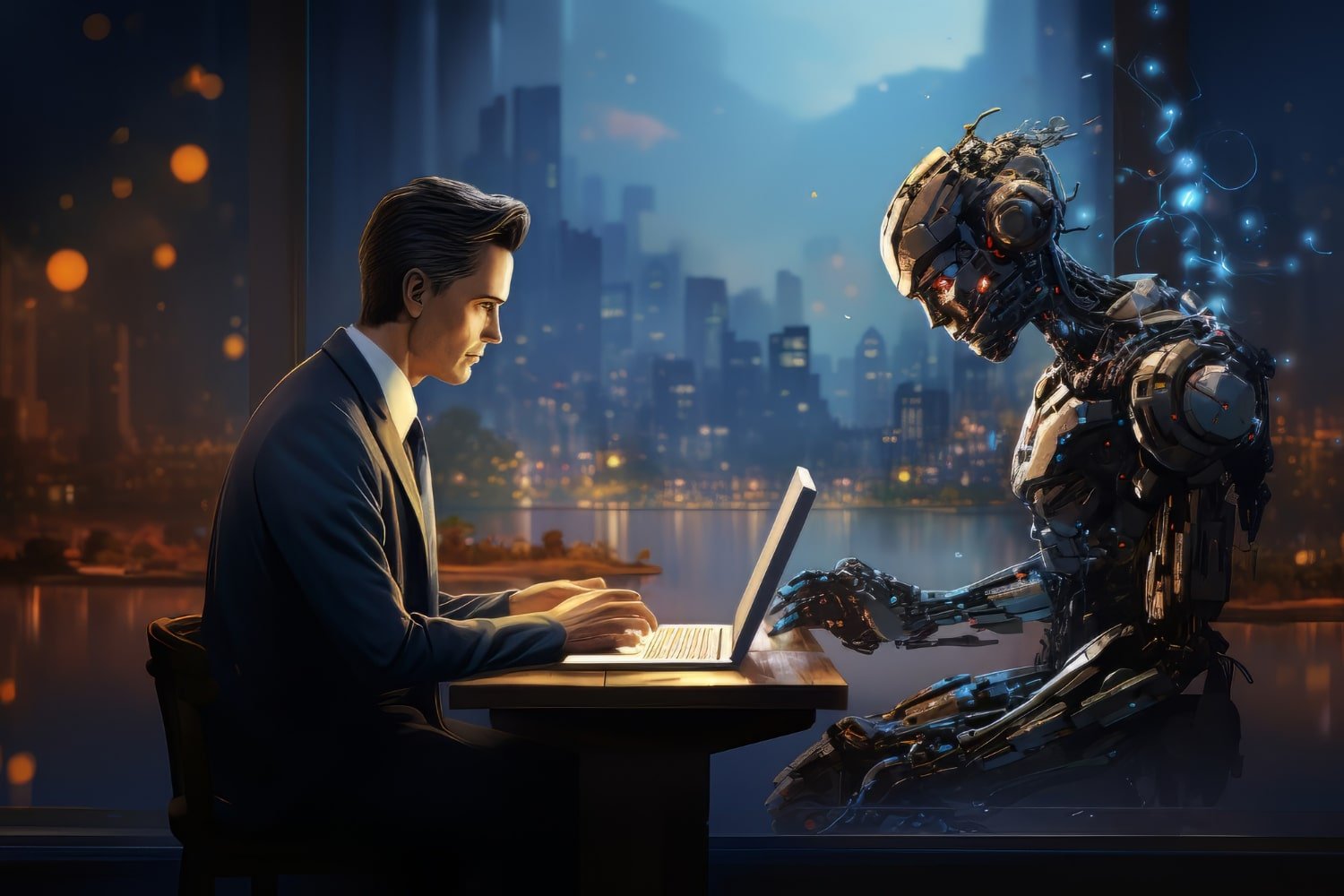
    Artificial Intelligence (AI) has moved from futuristic concept to everyday reality, reshaping how we work, communicate, and live. From smart assistants like Siri and Alexa to complex algorithms driving healthcare innovations, AI is becoming inseparable from modern life.

    One of the most visible impacts of AI is personalization. Streaming services such as Netflix or Spotify use machine learning to recommend content tailored to individual preferences. Similarly, e-commerce platforms suggest products based on browsing habits, making shopping seamless and efficient.

    In healthcare, AI-powered diagnostic tools analyze medical images faster and often more accurately than humans, assisting doctors in detecting diseases early. Predictive analytics help hospitals allocate resources effectively, while wearable devices track health data in real-time for personalized care.

    The business world also benefits from AI. Companies use chatbots to deliver 24/7 customer service, while automation tools optimize supply chains, improve forecasting, and reduce costs. AI also plays a crucial role in cybersecurity by identifying unusual patterns and preventing potential threats.

    However, with opportunities come challenges. Concerns about job displacement, bias in algorithms, and data privacy demand thoughtful regulation and ethical practices. As AI becomes more powerful, ensuring fairness, transparency, and inclusivity becomes essential.

    Ultimately, AI is not about replacing humans but augmenting their capabilities. By automating repetitive tasks and uncovering insights hidden in data, AI allows people to focus on creativity, innovation, and human connection. The digital world will continue evolving, and AI will remain at the center of this transformation.