Category: Home and Decor

  • Home Office Design Ideas Boosting Productivity with Comfort and Style

    Home Office Design Ideas Boosting Productivity with Comfort and Style

    As remote work becomes more common, home offices play a vital role in productivity and well-being. Designing a space that balances comfort, style, and efficiency ensures you stay motivated throughout the day.

    Start with location. A quiet corner or dedicated room helps minimize distractions. Invest in ergonomic furniture: adjustable chairs, supportive desks, and proper lighting prevent fatigue and discomfort.

    Color choices influence focus. Soft blues and greens promote calm, while neutrals provide balance. Add personality with artwork, motivational quotes, or plants that refresh the air and reduce stress.

    Organization is critical. Use shelving, filing systems, or cable management solutions to maintain order. A clutter-free environment supports concentration and creativity.

    Technology should be integrated seamlessly. Reliable Wi-Fi, noise-canceling headphones, and video conferencing tools ensure efficiency. Smart lighting or standing desks add flexibility for long work hours.

    Most importantly, balance function with comfort. Include cozy details like throws, decorative accents, or natural light to make the office inviting. A well-designed home office improves not only productivity but also overall quality of life.

  • Cozy Living Room Interior With Armchair, Books, And Plants

    Cozy Living Room Interior With Armchair, Books, And Plants

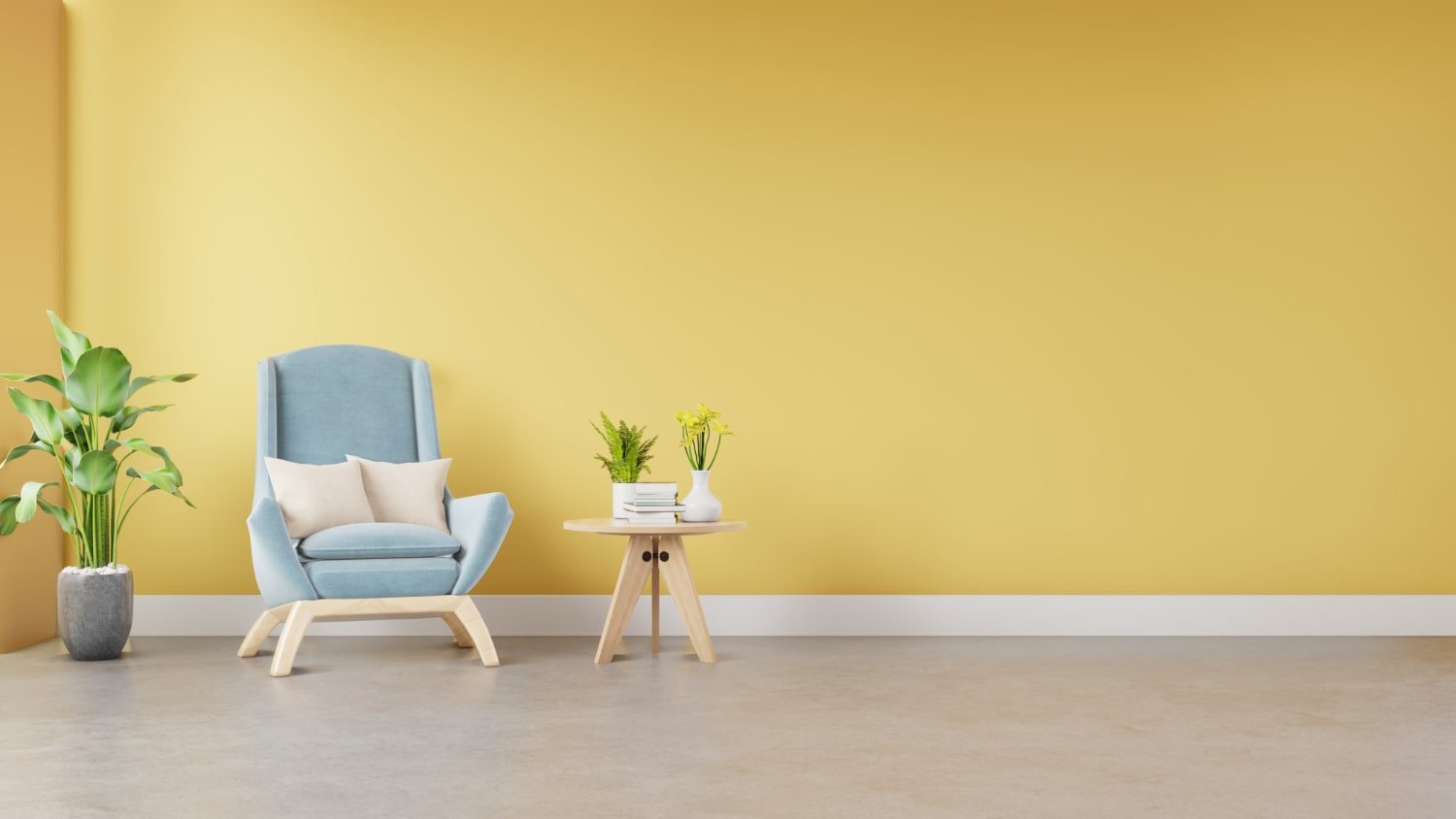
    A living room is more than a functional space—it is the heart of the home, a place where comfort and style come together to create an inviting environment. The image of a cozy fabric armchair, paired with books and plants against a soft yellow wall background, perfectly illustrates how thoughtful interior design can transform a simple room into a sanctuary of warmth and relaxation.

    The fabric armchair is the focal point of this composition. Comfortable seating is essential for any living space, and fabric chairs are known for their warmth, texture, and timeless appeal. Unlike leather or metal seating, fabric armchairs bring softness and coziness, encouraging people to sit back, read a favorite book, or enjoy a quiet cup of tea. Choosing the right color and fabric adds personality to the room, making it a statement piece as well as a functional one.

    Books placed within the scene add depth and charm. They represent knowledge, imagination, and personal taste, instantly giving the space a lived-in and welcoming feeling. A book-filled corner is more than decoration—it’s an invitation for relaxation and inspiration. Whether it’s a few carefully chosen novels or a stack of coffee table books, this element makes the room feel personal and expressive.

    Plants complete the composition with natural beauty. Indoor greenery has become a cornerstone of modern interior design, not only for its visual appeal but also for its health benefits. Plants improve air quality, reduce stress, and create a calming atmosphere. Against the yellow wall, the green tones pop beautifully, offering contrast and vibrancy that enlivens the entire space.

    The yellow background adds a cheerful and uplifting touch. Yellow is a color often associated with warmth, optimism, and creativity. It brightens the room, making it feel larger and more inviting, while providing a neutral backdrop for furniture and accessories to stand out. Combined with the earthy tones of the armchair and the freshness of the plants, it creates a balanced, harmonious palette.

    Together, the armchair, books, plants, and yellow wall symbolize a lifestyle centered around comfort, creativity, and balance. This arrangement showcases how even minimal furniture and accessories, when thoughtfully placed, can create a warm and functional space.

    Ultimately, this design reminds us that a living room does not need extravagant décor to feel luxurious. With just a few key elements—cozy seating, a personal touch through books, a connection to nature with plants, and a thoughtful color scheme—anyone can create a space that feels welcoming, stylish, and uniquely their own.

  • Outdoor Decor Ideas Turning Backyards Into Relaxing Personal Sanctuaries

    Outdoor Decor Ideas Turning Backyards Into Relaxing Personal Sanctuaries

    Outdoor spaces extend living areas and, with the right design, become tranquil sanctuaries for relaxation or entertaining. Whether you have a sprawling backyard or a small balcony, outdoor decor transforms it into a personal retreat.

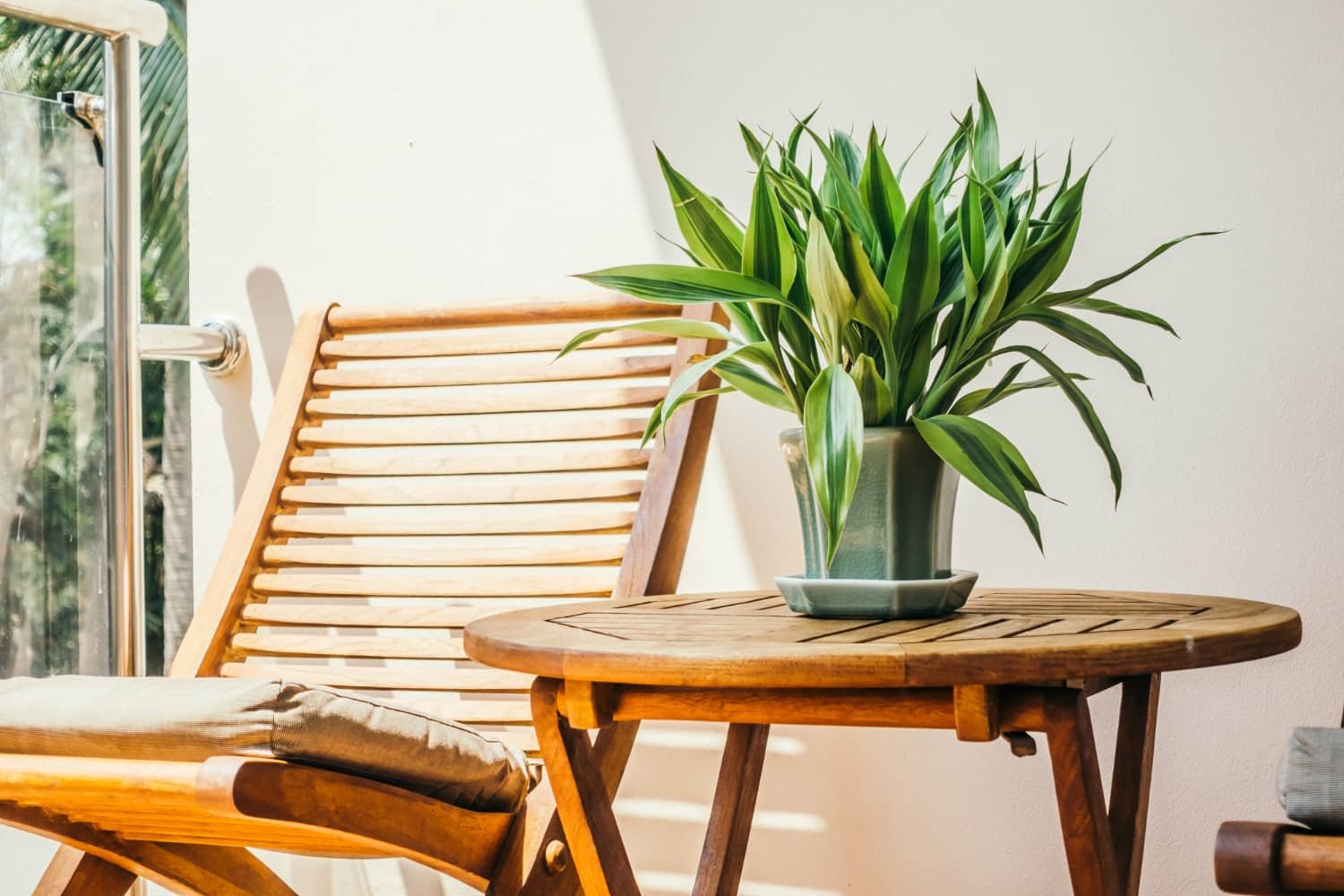
    Comfortable seating is the foundation. Options like lounge chairs, hammocks, or cushioned benches create cozy areas to unwind. Add outdoor rugs and side tables to define spaces and enhance functionality.

    Lighting sets the mood. String lights, lanterns, or solar-powered fixtures bring warmth and ambiance, making evenings outdoors magical. Fire pits or tabletop fireplaces add both comfort and style.

    Greenery plays a vital role. Container gardens, vertical planters, or lush landscaping bring nature closer and add freshness. Even small spaces benefit from herbs or succulents in decorative pots.

    Personal touches like colorful cushions, decorative lanterns, or water features make the area feel unique. For dining, consider outdoor kitchens or simple setups with durable tables and chairs.

    With thoughtful design, outdoor areas become extensions of your home. They provide a place to relax, entertain, and connect with nature while reflecting personal style.

  • Kitchen Design Trends Blending Functionality with Modern Stylish Flair

    Kitchen Design Trends Blending Functionality with Modern Stylish Flair

    The kitchen is the heart of any home, and modern design trends emphasize both functionality and style. Today’s kitchens blend sleek technology with timeless aesthetics, making them efficient yet inviting spaces.

    Open layouts remain popular, connecting kitchens seamlessly with dining or living areas. This encourages social interaction while maximizing space. Islands with seating provide both preparation surfaces and casual dining spots, while integrated storage keeps clutter hidden.

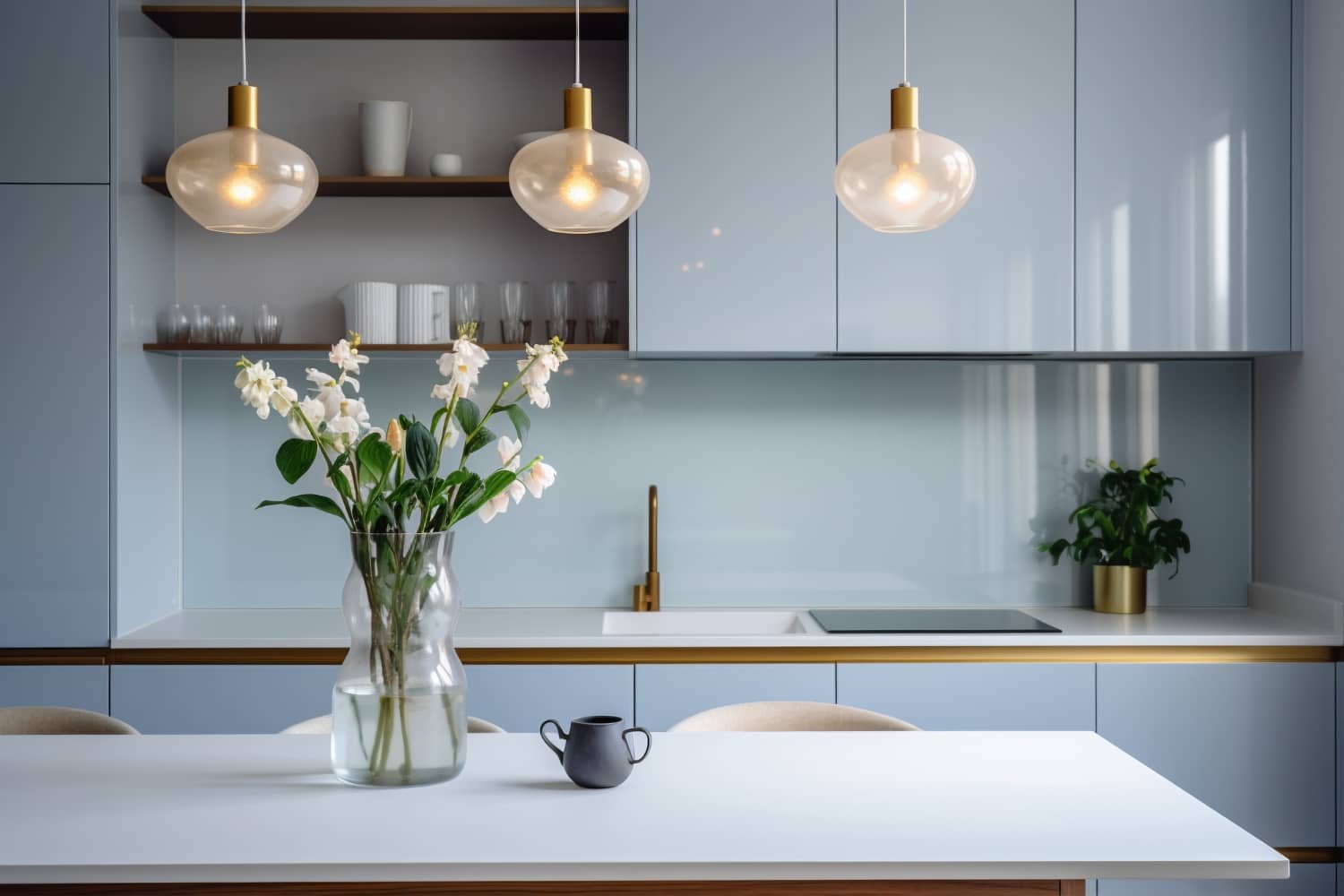
    Neutral palettes with bold accents dominate design trends. White or gray cabinetry paired with statement backsplashes, metallic fixtures, or colorful appliances creates balance between classic and contemporary. Natural materials like stone countertops and wooden finishes add warmth and texture.

    Smart technology is transforming kitchens. Touchless faucets, energy-efficient appliances, and app-controlled lighting enhance convenience and sustainability. Paired with ergonomic layouts, these innovations make kitchens more user-friendly than ever.

    Finally, personalization is key. Whether through unique lighting fixtures, open shelving with curated displays, or statement décor, modern kitchens reflect individual lifestyles. By blending practicality with stylish flair, the kitchen becomes both a functional workspace and a hub of family life.

  • Transforming Living Rooms with Minimalist Design and Modern Comfort

    Transforming Living Rooms with Minimalist Design and Modern Comfort

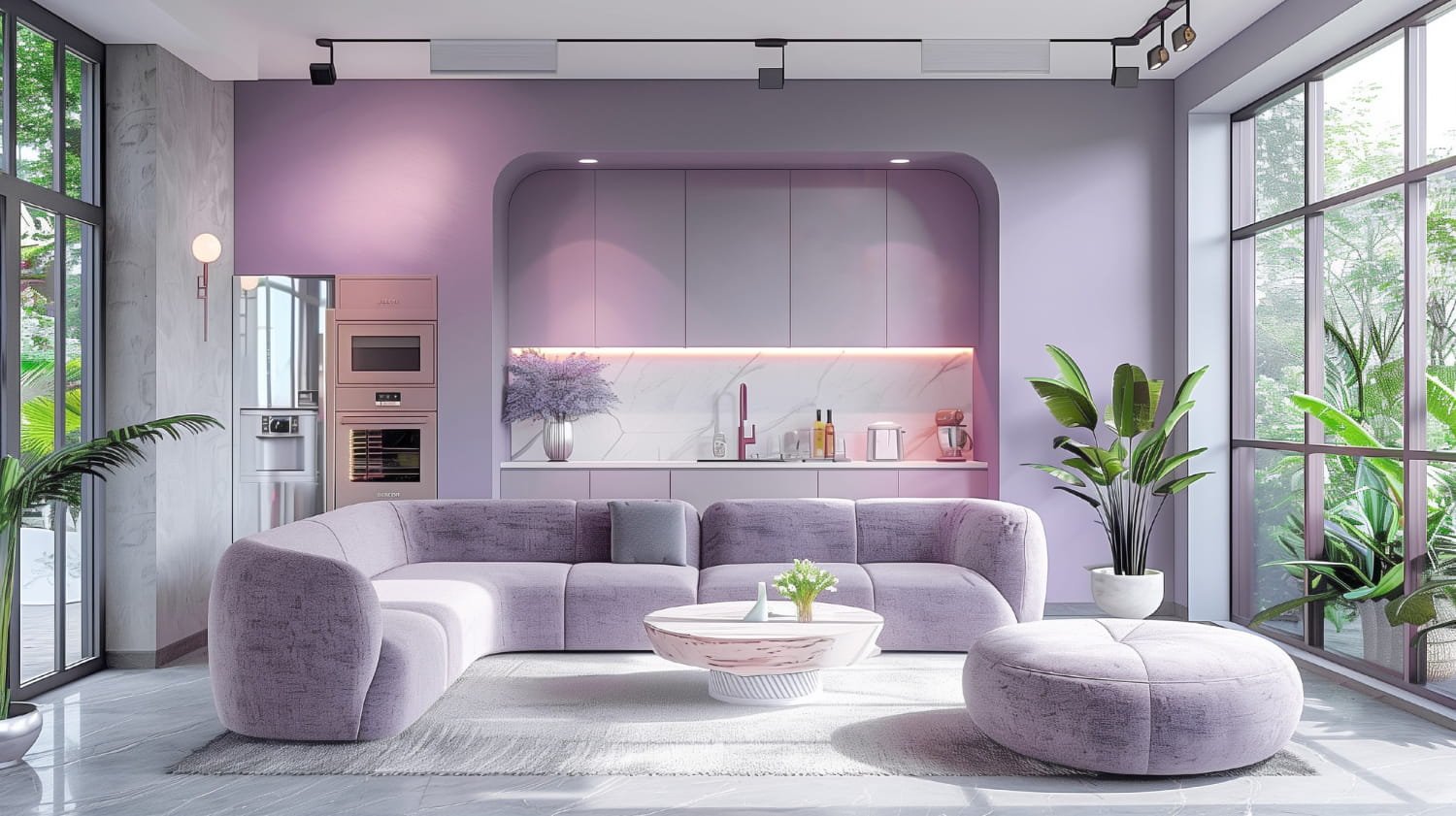
    The living room is often the heart of the home, where family gathers and guests are welcomed. A minimalist approach to living room design combines style with function, offering both tranquility and modern appeal. The essence lies in simplicity: clean lines, neutral palettes, and thoughtfully chosen furniture that prioritizes space and comfort.

    Start with decluttering. Removing unnecessary items creates openness and allows natural light to fill the room. Opt for versatile furniture such as sectional sofas, modular shelves, and nesting tables that save space while remaining stylish. Neutral tones like beige, gray, and white form a calming backdrop, while textures from wood, metal, or soft fabrics add warmth and depth.

    Accents play a key role. A single piece of art, a patterned rug, or greenery like potted plants brings personality without overwhelming the design. Lighting is equally important. Floor lamps, pendant fixtures, and layered light sources create ambiance while complementing the minimalist aesthetic.

    Minimalist living rooms not only look beautiful but also encourage intentional living. Every item has a purpose, reducing stress and promoting calm. With mindful choices, your living room can be a modern sanctuary that balances comfort and elegance.

  • Bedroom Makeover Tips for Cozy Retreats with Personalized Style

    Bedroom Makeover Tips for Cozy Retreats with Personalized Style

    Your bedroom should be more than a place to sleep—it’s a retreat for rest, relaxation, and self-expression. A thoughtful bedroom makeover combines comfort with style, turning it into a sanctuary you look forward to each night.

    Start with a soothing color palette. Soft neutrals, calming blues, or warm earth tones promote relaxation. Pair these with layered bedding—plush duvets, textured throws, and accent pillows—for both comfort and visual appeal.

    Furniture arrangement plays a key role. Position the bed as the focal point and add nightstands or benches for balance. Consider multifunctional pieces like storage beds to maximize space. Lighting should be layered: bedside lamps for reading, overhead fixtures for brightness, and dimmable options for ambiance.

    Personal touches define the room. Artwork, photographs, or decorative items reflect personality, while plants introduce freshness. Soft rugs or curtains enhance coziness while reducing noise.

    Finally, decluttering is essential. A clean, organized bedroom fosters calm and supports restful sleep. With the right choices, your bedroom becomes more than a room—it becomes your private retreat.

  • Small Space Decorating Ideas Creating Beauty in Compact Homes

    Small Space Decorating Ideas Creating Beauty in Compact Homes

    Living in a smaller home or apartment doesn’t mean sacrificing style. With clever design strategies, compact spaces can feel inviting, functional, and surprisingly spacious. Small space decorating focuses on maximizing every square inch while maintaining comfort and beauty.

    Start by choosing multifunctional furniture. Sofa beds, storage ottomans, and foldable dining tables serve dual purposes, saving space without compromising style. Vertical solutions, such as wall-mounted shelves and floating desks, free up floor area while providing ample storage.

    Light colors play an essential role in opening up compact rooms. Whites, pastels, and light grays reflect natural light, creating the illusion of space. Mirrors enhance this effect, bouncing light around and making rooms appear larger.

    Smart organization keeps clutter at bay. Decorative baskets, hidden storage, and modular systems maintain order while blending seamlessly with decor. Plants add life and freshness, even in small doses.

    Finally, don’t shy away from personality. Bold accent walls, artwork, or statement furniture add character, proving small spaces can be both practical and stylish. With creativity and planning, any compact home can feel spacious, comfortable, and uniquely yours.

  • Creative Frame Design Surrounded By Stationery For Inspiring Workspaces

    Creative Frame Design Surrounded By Stationery For Inspiring Workspaces

    A simple frame lying on stationery may seem like an ordinary arrangement, but in the context of modern workspace and decor design, it can carry deep meaning and visual appeal. Frames, often used to showcase artwork, motivational quotes, or photographs, when paired with stationery items, symbolize both creativity and productivity. This unique pairing reflects the balance between personal expression and professional organization that many strive to achieve in their daily environments.

    The frame itself is a blank canvas, offering versatility for personalization. It can hold anything—from an inspiring quote that sparks motivation every morning to a piece of art that reflects personality and style. When surrounded by stationery such as notebooks, pens, sticky notes, and markers, the frame takes on a dual role: as both an aesthetic centerpiece and a functional motivator for work or study.

    In home offices, the frame-and-stationery combination provides warmth and character. A minimalistic frame placed near carefully chosen stationery adds a sense of order without feeling sterile. It communicates that the space is both productive and personal, designed to encourage focus while still offering comfort. For students, creatives, and professionals, such arrangements make a desk more inviting and can even enhance performance by fostering a positive working atmosphere.

    The use of stationery around the frame also emphasizes creativity. Each item represents tools of imagination and productivity, and when placed thoughtfully, they tell a story of ambition and dedication. The contrast of sharp pencils against soft erasers, or vibrant sticky notes beside sleek pens, creates visual interest and reminds us that every great idea often starts with simple tools.

    From a design perspective, color palettes play a significant role. A wooden frame surrounded by neutral-toned stationery suggests calm and minimalism, while a colorful frame paired with bright pens and papers conveys energy and vibrancy. This adaptability makes the setup suitable for a variety of styles, from modern and sleek to playful and eclectic.

    Beyond workspaces, this arrangement also has decorative value. It can be used in cafes, studios, or classrooms to create a cozy, inspiring vibe. A frame with a motivational message placed on a stationery-filled table instantly transforms into a photo-worthy spot that sparks inspiration in anyone who sees it.

    Culturally, stationery evokes nostalgia. Many associate it with school days, handwritten letters, and the tactile joy of putting pen to paper. When paired with a frame, it connects the past with the present, reminding us that even in a digital age, physical objects still hold charm and importance.

    Ultimately, a frame lying on stationery is more than just an arrangement—it is a representation of balance between beauty and function. It highlights how simple objects, when combined thoughtfully, can create spaces that inspire creativity, foster productivity, and reflect individuality. Whether in a home office, a creative studio, or a cozy corner of a café, this setup embodies the timeless blend of inspiration and organization.

  • Creative Interior Designer Innovating Workspaces Beyond Traditional Office Boundaries

    Creative Interior Designer Innovating Workspaces Beyond Traditional Office Boundaries

    The role of an interior designer extends far beyond the traditional office environment. In today’s world, creativity knows no boundaries, and interior designers often find themselves working outside conventional spaces—whether in clients’ homes, cafés, co-working hubs, or even outdoor settings. An interior designer working out of the office reflects the adaptability, creativity, and modern lifestyle that defines this dynamic profession.

    Working beyond the office allows designers to engage directly with the environments they transform. By stepping out into varied spaces, they gain real-time inspiration from textures, colors, natural light, and architecture. This practice not only fuels creativity but also strengthens their ability to design interiors that feel authentic, functional, and in harmony with their surroundings.

    The modern interior design profession thrives on flexibility. Remote work tools, digital design software, and virtual collaboration platforms empower designers to sketch, plan, and present ideas from anywhere. Whether seated in a cozy café with a sketchbook or reviewing layouts in a client’s living room, designers can bring their vision to life without being tied to a desk. This flexibility enhances efficiency while also allowing them to adapt to clients’ needs more personally.

    Working outside the office also promotes a more human-centered approach to design. Meeting clients in their own spaces enables designers to understand their daily habits, preferences, and unique requirements. Observing how families interact in their living rooms or how professionals use their home offices gives insight that cannot always be captured from behind an office desk. These firsthand observations help designers create interiors that are not only beautiful but also tailored for comfort and usability.

    From a lifestyle perspective, an interior designer working out of the office embodies freedom and creativity. The ability to work in diverse environments prevents monotony, fuels fresh ideas, and sparks innovation. Natural surroundings, cultural landmarks, or simply observing people in everyday spaces can all serve as inspiration for a new project. This connection between environment and creativity is central to designing interiors that resonate with people on a deeper level.

    The image of an interior designer working outside the office also reflects modern professional trends. Many creative industries are embracing hybrid and flexible work models that prioritize output over location. Designers, by nature, thrive in such setups, as they require exposure to diverse settings to generate fresh ideas. This work style not only enhances creativity but also supports better work-life balance.

    Ultimately, interior design is about creating spaces where people feel at ease, inspired, and connected. For a designer, stepping beyond the traditional office is more than just a logistical choice—it is a creative philosophy. By working in diverse environments, designers immerse themselves in the real-world contexts their projects will serve, ensuring that their work feels natural, functional, and full of life.

    An interior designer working out of the office symbolizes adaptability, innovation, and the courage to break boundaries. It highlights how creativity flourishes when professionals allow themselves to work in environments that spark inspiration, bridging the gap between design and lived experience.