Category: AI

  • Artificial Intelligence Transforming Healthcare Through Smarter Diagnostic Tools Worldwide

    Artificial Intelligence Transforming Healthcare Through Smarter Diagnostic Tools Worldwide

    Artificial Intelligence (AI) is redefining healthcare by improving accuracy, efficiency, and accessibility of diagnostic tools. Traditionally, doctors relied on experience, manual tests, and limited data to make decisions. Now, AI-powered systems analyze vast amounts of information in seconds, providing precise insights that save lives.

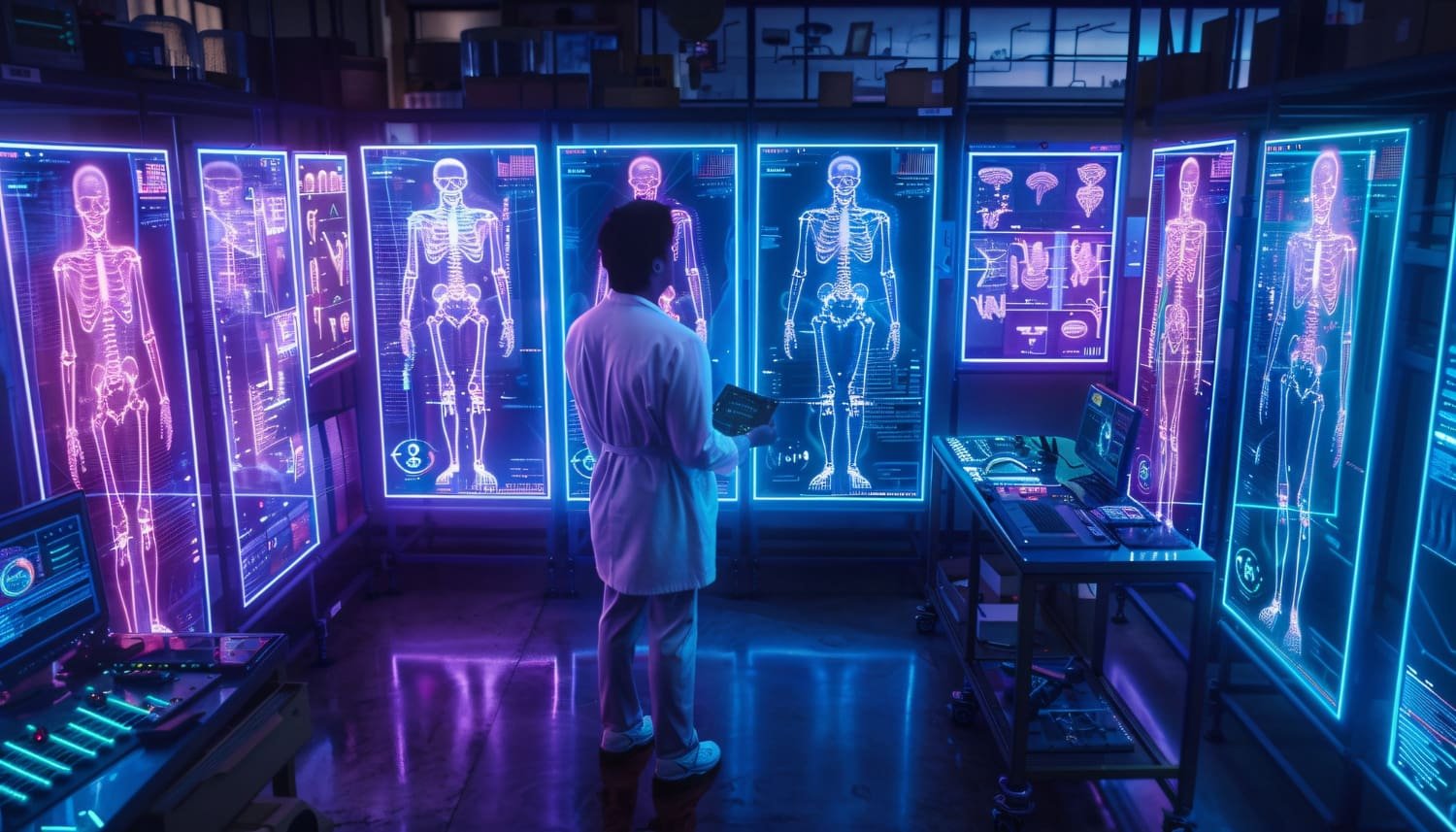
    AI-driven imaging is one major advancement. Tools can detect tumors, fractures, or anomalies in X-rays, MRIs, and CT scans faster and often more accurately than human radiologists. By flagging potential issues early, doctors can intervene before conditions worsen.

    Another breakthrough lies in predictive analytics. AI models analyze patient histories, lab results, and genetic information to forecast risks like diabetes, heart disease, or cancer. Personalized treatment plans can then be developed, ensuring better outcomes for patients.

    Chatbots and virtual health assistants are also transforming patient care. These tools answer questions, schedule appointments, and guide patients through treatments, reducing the burden on medical staff while improving accessibility.

    Despite the benefits, challenges remain. Ethical concerns, data privacy, and the risk of over-reliance on technology must be addressed. Human oversight remains essential, ensuring AI complements rather than replaces medical expertise.

    The integration of AI into healthcare is not just about technology—it’s about creating a future where care is more accurate, affordable, and accessible for everyone.

  • Machine Learning Driving Innovation Across Industries With Smarter Predictive Analytics

    Machine Learning Driving Innovation Across Industries With Smarter Predictive Analytics

    Machine learning (ML), a subset of AI, is transforming industries by enabling smarter predictive analytics. By analyzing patterns in vast datasets, ML algorithms can forecast outcomes with incredible accuracy, driving innovation in business, healthcare, finance, and beyond.

    In retail, ML analyzes customer behavior to predict purchasing trends. This helps companies optimize inventory, personalize recommendations, and increase sales. In healthcare, predictive models forecast disease risks and patient outcomes, allowing earlier interventions.

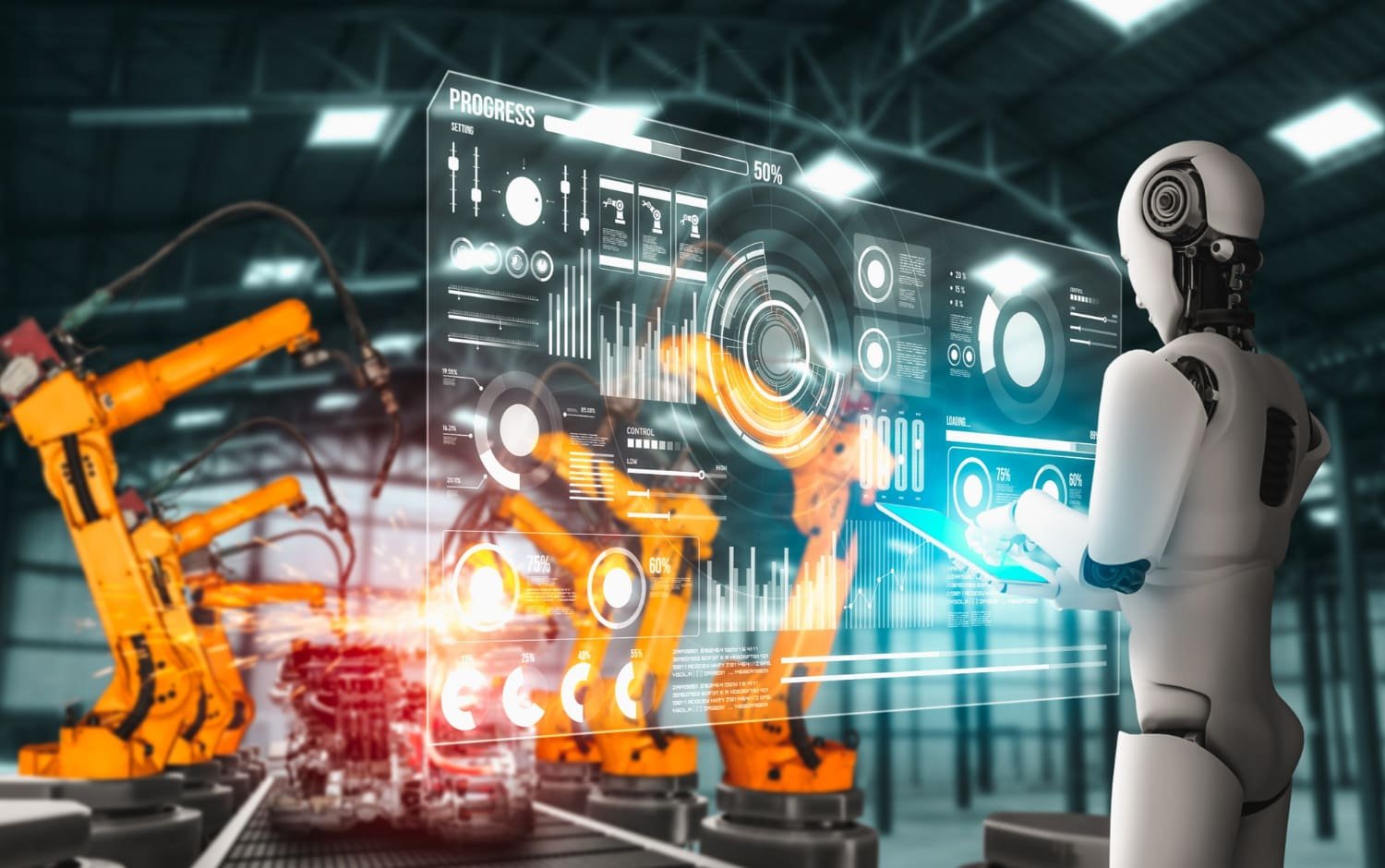
    Financial institutions use ML for fraud detection. By spotting unusual transaction patterns, algorithms flag risks faster than traditional systems, protecting both businesses and customers. Meanwhile, in manufacturing, predictive maintenance uses ML to identify equipment failures before they occur, saving costs and preventing downtime.

    What makes ML powerful is its adaptability. Algorithms continuously learn and improve from new data, becoming more accurate over time. Combined with automation, ML reduces human error while increasing efficiency.

    Despite the benefits, challenges remain. Poor-quality data can lead to inaccurate predictions, while complex algorithms often lack transparency. Ethical guidelines and explainable AI frameworks are crucial to building trust.

    Machine learning is no longer just a technical concept—it’s a practical tool shaping the future. As predictive analytics expand, industries will continue unlocking innovation through the power of ML.

  • How Generative AI Tools Reshape Creativity in Design and Content

    How Generative AI Tools Reshape Creativity in Design and Content

    Generative AI is transforming creativity by helping designers, writers, and content creators produce innovative work faster than ever before. Unlike traditional AI, which focuses on analysis, generative models create entirely new material—artwork, music, code, or text—based on learned patterns.

    In design, AI tools generate prototypes, layouts, and branding concepts within minutes. Artists use generative models to explore styles, experiment with color palettes, or develop unique digital artwork. Content creators benefit from AI that drafts articles, scripts, or marketing copy, speeding up workflows.

    Generative AI also plays a role in entertainment. Musicians use it to compose melodies, while filmmakers generate visual effects or storyboards. Even architects leverage AI to design buildings optimized for energy efficiency and aesthetic appeal.

    However, questions of originality and ethics remain. Critics argue that generative AI may devalue human creativity or plagiarize existing works. Ensuring transparency in datasets and recognizing human oversight are essential.

    Despite these debates, generative AI empowers creators by removing repetitive tasks and offering endless inspiration. It doesn’t replace creativity—it enhances it, opening new possibilities for innovation across industries.

  • The Future of Work Enhanced by Artificial Intelligence and Automation

    The Future of Work Enhanced by Artificial Intelligence and Automation

    Artificial Intelligence and automation are reshaping the workplace, bringing both opportunities and challenges. From streamlining operations to augmenting human skills, these technologies are redefining how businesses function and how people work.

    AI automates repetitive tasks, freeing employees to focus on creative and strategic work. In industries like logistics, AI manages supply chains and demand forecasting, while in finance, algorithms handle transactions and fraud detection.

    Collaboration between humans and AI is becoming common. AI tools assist doctors with diagnoses, support engineers in design, and help marketers analyze consumer behavior. Instead of replacing workers, AI often enhances their productivity.

    Remote work also benefits from AI. Tools optimize virtual meetings, analyze team productivity, and provide smart scheduling, making hybrid workplaces more efficient.

    Concerns exist, particularly around job displacement. However, history shows technology often creates new opportunities while eliminating outdated roles. The focus should be on reskilling and preparing workers for AI-driven industries.

    Ultimately, the future of work will not be AI versus humans, but AI alongside humans. By embracing automation responsibly, businesses can unlock efficiency while ensuring workers thrive in a rapidly evolving world.

  • Human And Robot Handshake Symbolizing Trust In Digital Future

    Human And Robot Handshake Symbolizing Trust In Digital Future

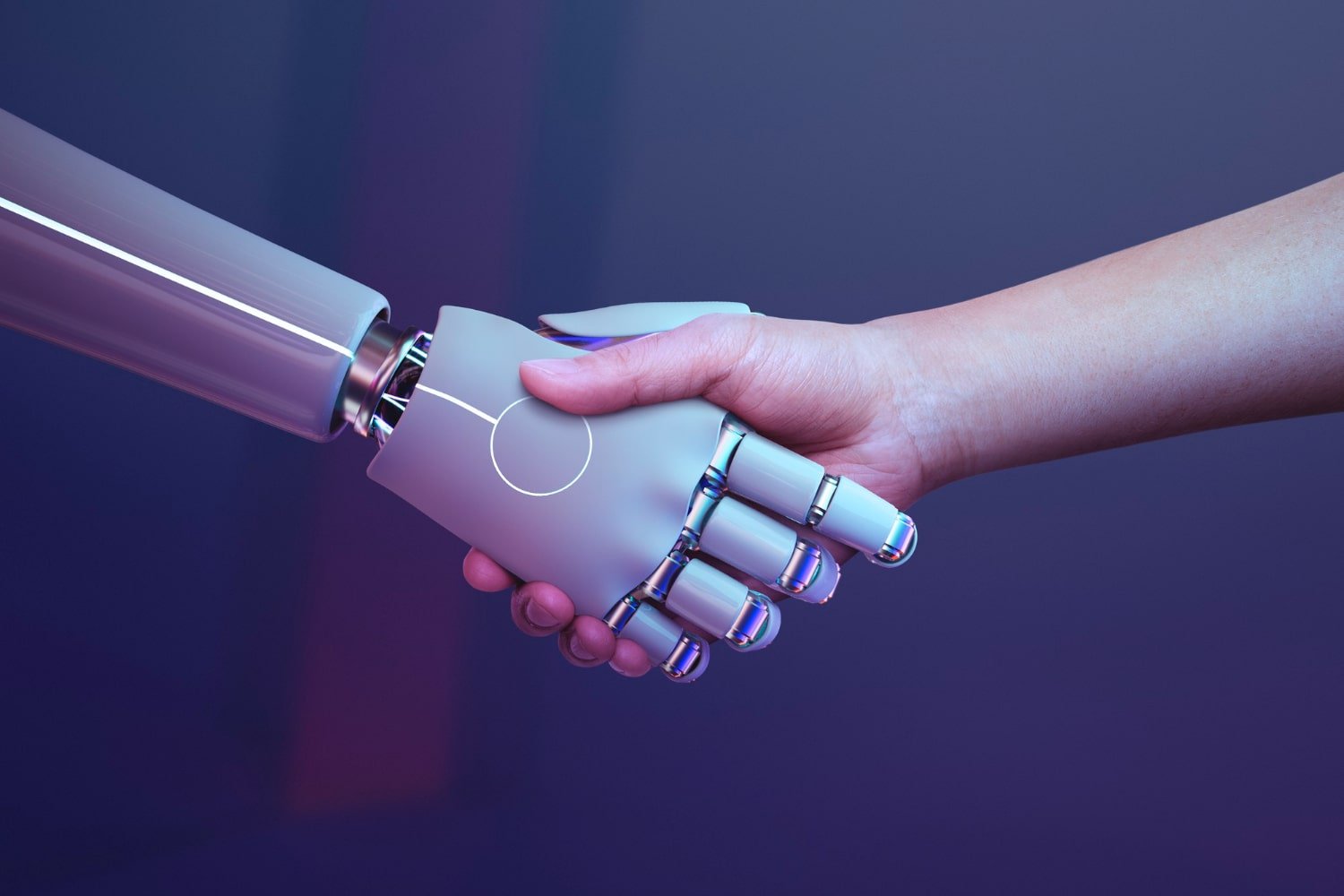
    Few images capture the essence of our times as effectively as the handshake between a human and a robot. This symbolic gesture embodies trust, collaboration, and the merging of human intelligence with artificial innovation. In the age of rapid digital transformation, such imagery highlights not just the progress of technology but also its relationship with people.

    The handshake has always been a universal symbol of partnership, understanding, and mutual respect. When extended to the relationship between humans and robots, it takes on even greater meaning. It represents the blending of human creativity and emotional intelligence with the precision, speed, and efficiency of machines. Rather than suggesting competition, the handshake signals cooperation—reminding us that technology is most powerful when it enhances human potential.

    In the digital age, artificial intelligence (AI) and robotics are no longer science fiction—they are part of everyday life. From voice assistants to factory automation, from healthcare diagnostics to financial forecasting, intelligent machines now work alongside humans in countless industries. The handshake image reflects this integration, symbolizing a future where humans and machines complement each other instead of existing in opposition.

    Futuristic visuals like this also raise important questions. How do we build trust in machines? How do we ensure that technology serves humanity ethically, transparently, and inclusively? These are pressing concerns as AI systems make increasingly complex decisions in areas like hiring, policing, and medicine. The handshake image serves as both an optimistic vision and a reminder of the responsibilities we carry in shaping this future.

    The background of futuristic digital elements enhances the symbolism. Circuit patterns, holograms, and glowing lights represent the technological backbone of modern society. Together with the handshake, the imagery conveys the idea of partnership within progress—an agreement between humanity and technology to move forward together.

    Culturally, such imagery has significant influence. It inspires confidence in technological advancement, encouraging people to embrace change rather than fear it. It also sparks curiosity, especially among younger generations, about careers in robotics, AI, and digital innovation. In many ways, the handshake image isn’t just about technology—it’s about hope, collaboration, and the shaping of a better future.

    Ultimately, the human-robot handshake is a metaphor for the digital era we are living in. It reminds us that while machines may be intelligent, it is human vision, empathy, and creativity that will guide their use. The true future of technology lies not in replacing humanity but in empowering it.

  • Exploring Ethical Challenges of Artificial Intelligence in Modern Digital Society

    Exploring Ethical Challenges of Artificial Intelligence in Modern Digital Society

    Artificial Intelligence offers remarkable benefits, but it also raises critical ethical challenges that shape our digital society. As AI integrates deeper into daily life—from healthcare to finance—questions of fairness, transparency, and accountability must be addressed.

    Bias in AI systems is a growing concern. Algorithms trained on biased data can produce discriminatory outcomes in hiring, lending, or law enforcement. This highlights the need for diverse datasets and rigorous oversight.

    Privacy is another pressing issue. AI systems often rely on vast amounts of personal data, raising concerns about surveillance, consent, and misuse. Striking a balance between innovation and individual rights is vital.

    Accountability also matters. When AI systems make mistakes—such as misdiagnosing a patient or misjudging a loan application—who is responsible: the developer, the company, or the technology itself? Clear regulations are required to answer these questions.

    Ethical AI isn’t just about avoiding harm. It’s about ensuring technology benefits everyone. Initiatives promoting “responsible AI” focus on transparency, inclusivity, and human oversight. Governments, organizations, and researchers must work together to set global standards.

    Ultimately, ethical considerations are not obstacles to AI progress—they’re necessary guardrails. Addressing these challenges ensures AI develops in ways that enhance society rather than divide it.