Author: admin

  • How Generative AI Tools Reshape Creativity in Design and Content

    How Generative AI Tools Reshape Creativity in Design and Content

    Generative AI is transforming creativity by helping designers, writers, and content creators produce innovative work faster than ever before. Unlike traditional AI, which focuses on analysis, generative models create entirely new material—artwork, music, code, or text—based on learned patterns.

    In design, AI tools generate prototypes, layouts, and branding concepts within minutes. Artists use generative models to explore styles, experiment with color palettes, or develop unique digital artwork. Content creators benefit from AI that drafts articles, scripts, or marketing copy, speeding up workflows.

    Generative AI also plays a role in entertainment. Musicians use it to compose melodies, while filmmakers generate visual effects or storyboards. Even architects leverage AI to design buildings optimized for energy efficiency and aesthetic appeal.

    However, questions of originality and ethics remain. Critics argue that generative AI may devalue human creativity or plagiarize existing works. Ensuring transparency in datasets and recognizing human oversight are essential.

    Despite these debates, generative AI empowers creators by removing repetitive tasks and offering endless inspiration. It doesn’t replace creativity—it enhances it, opening new possibilities for innovation across industries.

  • The Future of Work Enhanced by Artificial Intelligence and Automation

    The Future of Work Enhanced by Artificial Intelligence and Automation

    Artificial Intelligence and automation are reshaping the workplace, bringing both opportunities and challenges. From streamlining operations to augmenting human skills, these technologies are redefining how businesses function and how people work.

    AI automates repetitive tasks, freeing employees to focus on creative and strategic work. In industries like logistics, AI manages supply chains and demand forecasting, while in finance, algorithms handle transactions and fraud detection.

    Collaboration between humans and AI is becoming common. AI tools assist doctors with diagnoses, support engineers in design, and help marketers analyze consumer behavior. Instead of replacing workers, AI often enhances their productivity.

    Remote work also benefits from AI. Tools optimize virtual meetings, analyze team productivity, and provide smart scheduling, making hybrid workplaces more efficient.

    Concerns exist, particularly around job displacement. However, history shows technology often creates new opportunities while eliminating outdated roles. The focus should be on reskilling and preparing workers for AI-driven industries.

    Ultimately, the future of work will not be AI versus humans, but AI alongside humans. By embracing automation responsibly, businesses can unlock efficiency while ensuring workers thrive in a rapidly evolving world.

  • Cozy Living Room Interior With Armchair, Books, And Plants

    Cozy Living Room Interior With Armchair, Books, And Plants

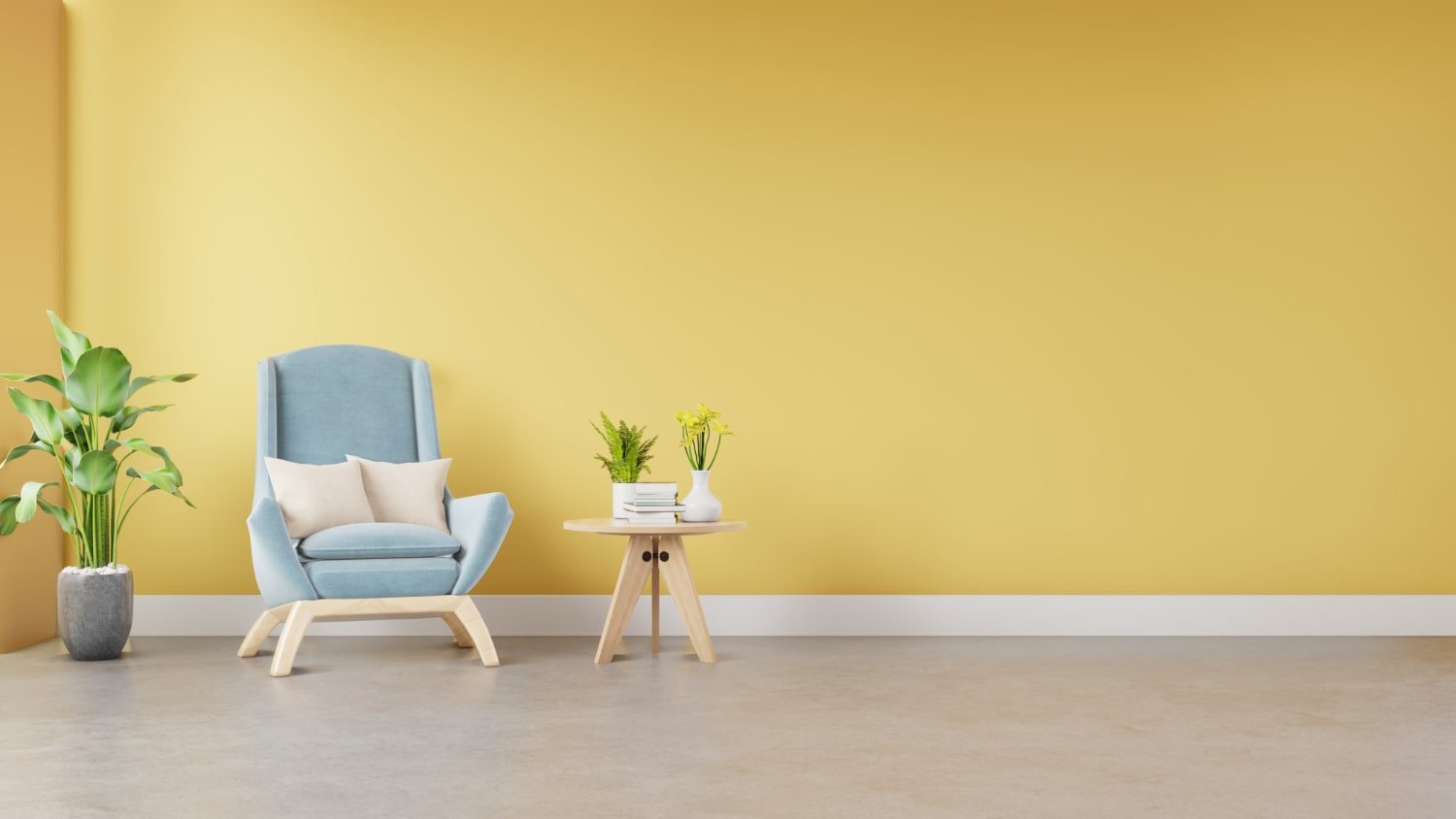
    A living room is more than a functional space—it is the heart of the home, a place where comfort and style come together to create an inviting environment. The image of a cozy fabric armchair, paired with books and plants against a soft yellow wall background, perfectly illustrates how thoughtful interior design can transform a simple room into a sanctuary of warmth and relaxation.

    The fabric armchair is the focal point of this composition. Comfortable seating is essential for any living space, and fabric chairs are known for their warmth, texture, and timeless appeal. Unlike leather or metal seating, fabric armchairs bring softness and coziness, encouraging people to sit back, read a favorite book, or enjoy a quiet cup of tea. Choosing the right color and fabric adds personality to the room, making it a statement piece as well as a functional one.

    Books placed within the scene add depth and charm. They represent knowledge, imagination, and personal taste, instantly giving the space a lived-in and welcoming feeling. A book-filled corner is more than decoration—it’s an invitation for relaxation and inspiration. Whether it’s a few carefully chosen novels or a stack of coffee table books, this element makes the room feel personal and expressive.

    Plants complete the composition with natural beauty. Indoor greenery has become a cornerstone of modern interior design, not only for its visual appeal but also for its health benefits. Plants improve air quality, reduce stress, and create a calming atmosphere. Against the yellow wall, the green tones pop beautifully, offering contrast and vibrancy that enlivens the entire space.

    The yellow background adds a cheerful and uplifting touch. Yellow is a color often associated with warmth, optimism, and creativity. It brightens the room, making it feel larger and more inviting, while providing a neutral backdrop for furniture and accessories to stand out. Combined with the earthy tones of the armchair and the freshness of the plants, it creates a balanced, harmonious palette.

    Together, the armchair, books, plants, and yellow wall symbolize a lifestyle centered around comfort, creativity, and balance. This arrangement showcases how even minimal furniture and accessories, when thoughtfully placed, can create a warm and functional space.

    Ultimately, this design reminds us that a living room does not need extravagant décor to feel luxurious. With just a few key elements—cozy seating, a personal touch through books, a connection to nature with plants, and a thoughtful color scheme—anyone can create a space that feels welcoming, stylish, and uniquely their own.

  • Human And Robot Handshake Symbolizing Trust In Digital Future

    Human And Robot Handshake Symbolizing Trust In Digital Future

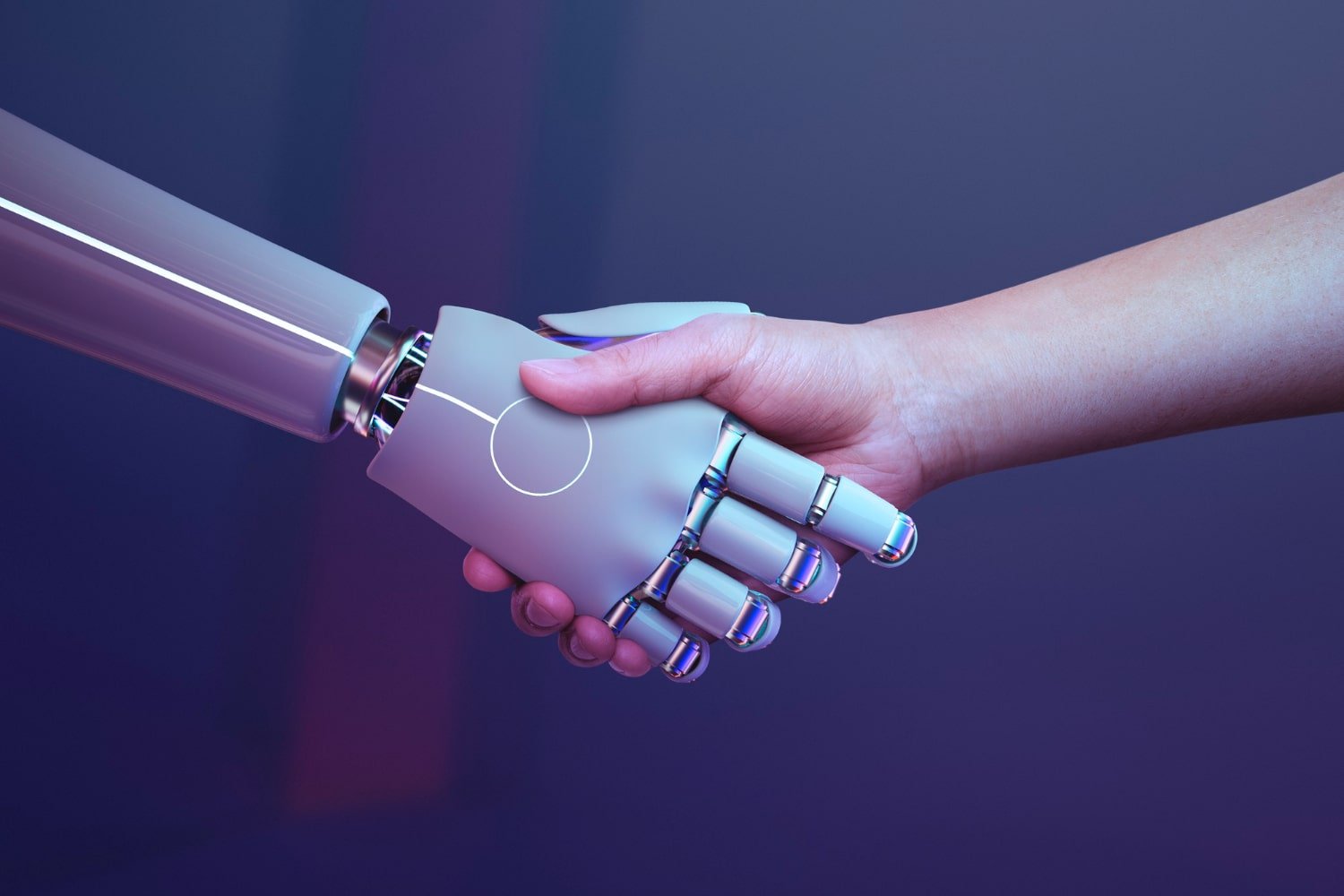
    Few images capture the essence of our times as effectively as the handshake between a human and a robot. This symbolic gesture embodies trust, collaboration, and the merging of human intelligence with artificial innovation. In the age of rapid digital transformation, such imagery highlights not just the progress of technology but also its relationship with people.

    The handshake has always been a universal symbol of partnership, understanding, and mutual respect. When extended to the relationship between humans and robots, it takes on even greater meaning. It represents the blending of human creativity and emotional intelligence with the precision, speed, and efficiency of machines. Rather than suggesting competition, the handshake signals cooperation—reminding us that technology is most powerful when it enhances human potential.

    In the digital age, artificial intelligence (AI) and robotics are no longer science fiction—they are part of everyday life. From voice assistants to factory automation, from healthcare diagnostics to financial forecasting, intelligent machines now work alongside humans in countless industries. The handshake image reflects this integration, symbolizing a future where humans and machines complement each other instead of existing in opposition.

    Futuristic visuals like this also raise important questions. How do we build trust in machines? How do we ensure that technology serves humanity ethically, transparently, and inclusively? These are pressing concerns as AI systems make increasingly complex decisions in areas like hiring, policing, and medicine. The handshake image serves as both an optimistic vision and a reminder of the responsibilities we carry in shaping this future.

    The background of futuristic digital elements enhances the symbolism. Circuit patterns, holograms, and glowing lights represent the technological backbone of modern society. Together with the handshake, the imagery conveys the idea of partnership within progress—an agreement between humanity and technology to move forward together.

    Culturally, such imagery has significant influence. It inspires confidence in technological advancement, encouraging people to embrace change rather than fear it. It also sparks curiosity, especially among younger generations, about careers in robotics, AI, and digital innovation. In many ways, the handshake image isn’t just about technology—it’s about hope, collaboration, and the shaping of a better future.

    Ultimately, the human-robot handshake is a metaphor for the digital era we are living in. It reminds us that while machines may be intelligent, it is human vision, empathy, and creativity that will guide their use. The true future of technology lies not in replacing humanity but in empowering it.

  • Colorful Holiday Candy Decorations Brighten A Child’s Festive Celebration

    Colorful Holiday Candy Decorations Brighten A Child’s Festive Celebration

    Holidays are special moments in every child’s life, filled with joy, laughter, and vibrant traditions. One of the simplest yet most delightful aspects of these celebrations is the use of colorful candies as decorations. The image of brightly colored candy against a cheerful blue background perfectly captures the innocence and excitement that children experience during holiday festivities.

    Candy has always held a central place in holiday traditions. Whether it’s candy canes during Christmas, chocolates at Easter, or brightly wrapped sweets during birthdays, candy brings instant happiness. For children, candies are more than just treats—they are symbols of fun, togetherness, and celebration. The bright colors appeal to their imagination, turning ordinary moments into magical memories.

    When used as decorations, candy goes beyond its role as food. It becomes an artistic element of holiday décor. Imagine a table adorned with bowls of multi-colored sweets, or holiday wreaths decorated with lollipops and candy canes. These playful touches not only excite children but also add warmth and charm to the home environment. The use of candy in decoration is particularly effective because it connects visual appeal with taste—two senses children love to explore.

    The blue background in the image adds a refreshing twist. Blue is a color often associated with calmness, creativity, and wonder. Against this backdrop, the bright candy colors pop even more vividly, creating a joyful, eye-catching display. This contrast mirrors the balance of holidays themselves: moments of calm shared with family, mixed with bursts of excitement and celebration.

    Beyond aesthetics, holiday candy decorations carry emotional value. They encourage bonding as families come together to prepare, design, and enjoy the festive space. Children especially love being part of this process—arranging sweets, picking their favorite colors, or sneaking a treat while decorating. These shared activities strengthen traditions and create stories that last well beyond the holiday season.

    On a larger cultural level, the use of candy in holiday décor highlights how universal the joy of sweets truly is. From Western celebrations like Halloween and Christmas to global festivals where sweets are exchanged, candy plays a role in connecting people through happiness and generosity. It’s a small but powerful reminder of how food can transcend age, culture, and tradition.

    For parents and caregivers, candy decorations also offer opportunities for creativity and moderation. Decorating with sweets doesn’t mean overindulgence—it can be about creating a festive atmosphere while keeping actual consumption balanced. Children are delighted just by the sight of colorful displays, proving that candy’s visual magic is often as powerful as its taste.

    Ultimately, the combination of a child’s holiday spirit, colorful candy, and a cheerful background embodies everything joyful about the festive season. It’s a reminder that holidays are not about extravagance, but about celebrating simple joys—color, taste, laughter, and family togetherness.

  • Running Free Along Vibrant Walls of Painted Joy

    Running Free Along Vibrant Walls of Painted Joy

    Bursting with color and movement, this image captures a joyful moment in an urban setting. A man runs past a wall painted in bold sections of green, pink, orange, blue, and purple. His teal shirt and beige pants pop against the vibrant backdrop, while his smile and forward motion radiate energy and spontaneity.

    To the left, a yellow van adds a nostalgic touch, grounding the scene in everyday reality. Yet the wall transforms the street into a canvas—each color block a brushstroke of personality and place. The man’s watch glints subtly, suggesting he’s in motion but mindful, present in the moment.

    This photo celebrates the beauty of ordinary joy. It’s not staged—it’s lived. The man’s expression and stride suggest freedom, optimism, and a connection to the city around him. The composition balances art and life, making it perfect for lifestyle blogs, urban exploration content, or personal storytelling.

    It’s a reminder that color isn’t just visual—it’s emotional. And sometimes, the most powerful stories are the ones we catch mid-run.

  • Emerging Technology Trends Reshaping Tomorrow’s Digital Innovation Landscape

    Emerging Technology Trends Reshaping Tomorrow’s Digital Innovation Landscape

    The technology industry evolves rapidly, with emerging trends continually redefining how we live and work. From artificial intelligence to quantum computing, these innovations are paving the way for tomorrow’s digital world.

    AI and machine learning remain dominant, powering smarter decision-making, automation, and personalization. Quantum computing, though still in its infancy, promises to solve complex problems in seconds that current computers could never achieve.

    5G connectivity is another game-changer. Its ultra-fast speeds and low latency enable innovations in autonomous vehicles, remote healthcare, and immersive augmented reality experiences. Combined with IoT, it will expand digital ecosystems and smart infrastructure.

    Virtual Reality (VR) and Augmented Reality (AR) are reshaping entertainment, education, and training. From immersive gaming to medical simulations, these tools enhance learning and create new business opportunities.

    Green technology also rises in importance. With sustainability becoming a global priority, innovations in renewable energy, battery storage, and carbon capture are driving cleaner industries.

    The workplace of the future is another focus. Remote collaboration tools, AI-driven productivity apps, and cloud infrastructure are redefining how businesses function in an interconnected world.

    Despite the excitement, ethical concerns remain. Privacy, digital divides, and job displacement must be addressed to ensure technology benefits everyone. Governments, businesses, and communities play key roles in balancing innovation with responsibility.

    Emerging technology trends highlight one truth: the digital world never stands still. By embracing innovation while ensuring inclusivity, society can harness technology to create a smarter, more sustainable future.

  • Flat Lay of Sport Equipment with Rackets and Balls

    Flat Lay of Sport Equipment with Rackets and Balls

    Introduction

    In the world of sports photography and design, few compositions are as visually satisfying as a flat lay of sport equipment. When arranged with intention, a variety of rackets and balls can tell a story of diversity, motion, and athletic culture. This type of layout is ideal for editorial spreads, social media content, or branding that celebrates the richness of multi-sport engagement.

    The Art of Flat Lay Composition

    Flat lay photography is all about balance, symmetry, and storytelling. By placing rackets and balls from different sports—tennis, badminton, squash, table tennis, and more—side by side, designers can create a visual narrative that speaks to versatility and passion. The overhead perspective allows viewers to appreciate the textures, colors, and shapes in a clean, organized format.

    Symbolism in Variety

    Each piece of equipment carries its own identity. A tennis racket suggests power and precision, while a ping pong paddle evokes speed and reflex. Balls vary in size, material, and purpose—from the fuzzy surface of a tennis ball to the smooth polish of a squash ball. Together, they represent the spectrum of human movement and competition.

    Applications in Design and Media

    This kind of flat lay is perfect for sports blogs, fitness magazines, or promotional campaigns. It can be used to highlight cross-training programs, multi-sport events, or even lifestyle branding that connects athleticism with aesthetics. The clean layout also makes it ideal for e-commerce platforms showcasing gear collections.

    Color and Texture Play

    One of the strengths of a flat lay is its ability to showcase contrast. Wooden handles, rubber grips, mesh strings, and felted balls all bring unique textures to the frame. Designers often use neutral backgrounds—like turf green, matte black, or soft gray—to let the equipment pop. Color coordination can also be used to evoke mood: warm tones for energy, cool tones for calm, or bold primaries for youthfulness.

    Cultural and Emotional Resonance

    Beyond aesthetics, this layout taps into nostalgia and aspiration. Many viewers will recognize the gear from their own childhood sports or current fitness routines. It’s a celebration of play, discipline, and the joy of movement. Whether you’re a weekend warrior or a seasoned athlete, the image invites you to connect with your sport.

    Trends in Sports Visuals

    Modern sports visuals are leaning toward minimalism and authenticity. Flat lays offer both—clean lines and real gear. As social media platforms favor scroll-stopping visuals, these compositions are becoming staples in sports marketing. They’re easy to digest, emotionally resonant, and visually rich.

    Conclusion

    A flat lay of sport equipment featuring a variety of rackets and balls is more than a stylish arrangement—it’s a tribute to the diversity and beauty of athletic pursuits. Whether used in design, media, or branding, this visual format captures the essence of sport in a way that’s both organized and inspiring. It reminds us that behind every racket and ball is a story of effort, skill, and passion.


  • Outdoor Decor Ideas Turning Backyards Into Relaxing Personal Sanctuaries

    Outdoor Decor Ideas Turning Backyards Into Relaxing Personal Sanctuaries

    Outdoor spaces extend living areas and, with the right design, become tranquil sanctuaries for relaxation or entertaining. Whether you have a sprawling backyard or a small balcony, outdoor decor transforms it into a personal retreat.

    Comfortable seating is the foundation. Options like lounge chairs, hammocks, or cushioned benches create cozy areas to unwind. Add outdoor rugs and side tables to define spaces and enhance functionality.

    Lighting sets the mood. String lights, lanterns, or solar-powered fixtures bring warmth and ambiance, making evenings outdoors magical. Fire pits or tabletop fireplaces add both comfort and style.

    Greenery plays a vital role. Container gardens, vertical planters, or lush landscaping bring nature closer and add freshness. Even small spaces benefit from herbs or succulents in decorative pots.

    Personal touches like colorful cushions, decorative lanterns, or water features make the area feel unique. For dining, consider outdoor kitchens or simple setups with durable tables and chairs.

    With thoughtful design, outdoor areas become extensions of your home. They provide a place to relax, entertain, and connect with nature while reflecting personal style.

  • Exploring Ethical Challenges of Artificial Intelligence in Modern Digital Society

    Exploring Ethical Challenges of Artificial Intelligence in Modern Digital Society

    Artificial Intelligence offers remarkable benefits, but it also raises critical ethical challenges that shape our digital society. As AI integrates deeper into daily life—from healthcare to finance—questions of fairness, transparency, and accountability must be addressed.

    Bias in AI systems is a growing concern. Algorithms trained on biased data can produce discriminatory outcomes in hiring, lending, or law enforcement. This highlights the need for diverse datasets and rigorous oversight.

    Privacy is another pressing issue. AI systems often rely on vast amounts of personal data, raising concerns about surveillance, consent, and misuse. Striking a balance between innovation and individual rights is vital.

    Accountability also matters. When AI systems make mistakes—such as misdiagnosing a patient or misjudging a loan application—who is responsible: the developer, the company, or the technology itself? Clear regulations are required to answer these questions.

    Ethical AI isn’t just about avoiding harm. It’s about ensuring technology benefits everyone. Initiatives promoting “responsible AI” focus on transparency, inclusivity, and human oversight. Governments, organizations, and researchers must work together to set global standards.

    Ultimately, ethical considerations are not obstacles to AI progress—they’re necessary guardrails. Addressing these challenges ensures AI develops in ways that enhance society rather than divide it.